
Dog diarrhea can catch you off guard. One minute your dog seems fine. Next, you’re dealing with loose stools and a worried mind. It’s messy, stressful, and sometimes confusing. Is it something minor, or a sign of a deeper issue? The truth is, digestive upset is one of the most common health problems dogs face. Still, not every case means an emergency. When you understand what’s happening inside your dog’s gut, you can respond calmly instead of panicking.
Your dog’s digestive system works like a well-tuned machine. When something disrupts that balance, stool consistency changes quickly. It might stem from diet, stress, parasites, or infection. Sometimes it’s simple. Other times it signals something more serious. Knowing what to watch for helps you protect your dog’s health and make confident decisions.
What Is Dog Diarrhea?
Dog Diarrhea happens when your dog’s stool becomes loose, watery, or unusually frequent. It’s not a disease itself. Instead, it’s a symptom that signals something isn’t right inside your dog’s digestive tract. Sometimes the issue is mild and short-lived. Other times, it hints at deeper canine gastrointestinal problems that need attention. Understanding what’s normal for your dog helps you spot changes fast.
Healthy canine stool should be firm, moist, and easy to pick up. When rapid intestinal transit in dogs occurs, waste moves too quickly through the intestines. The body can’t absorb enough water. The result is loose stools. However, not all cases mean danger. Some episodes resolve within a day. Others may connect to dog digestive health concerns like infections, inflammation, or dietary triggers.
Types of Dog Diarrhea
Veterinarians classify diarrhea based on how it develops inside the gut. Osmotic diarrhea in dogs occurs when undigested nutrients pull water into the intestines. Secretory diarrhea develops when the gut actively releases fluid. Exudative diarrhea appears when inflammation leaks blood or protein into the stool. Each type reflects different underlying canine gastrointestinal problems.
You may also notice variations in appearance. Mucus suggests colonic irritation. Black, tarry stool indicates upper GI bleeding. Bright red streaks point to lower bowel irritation. Chronic diarrhea in dogs lasts longer than two to three weeks. Acute episodes appear suddenly. Watching stool consistency improvement or decline gives valuable clues about pet digestive health.
Why Do Dogs Get Diarrhea?
Dogs explore the world with their mouths. That curiosity often leads to dog dietary indiscretion. Maybe your dog raided the trash. Maybe they sampled something questionable at the park. Even a sudden switch in food can disrupt gut flora balance.
However, not every case stems from scavenging. Vomiting in dogs combined with diarrhea may signal viral disease. Parasites causing diarrhea such as Giardia in dogs or hookworms frequently affect puppies. Stress, antibiotics, food intolerance, and inflammatory bowel disease in dogs also play a role. The digestive tract reacts quickly when irritated. Loose stools are often the first sign.
Causes of Dog Diarrhea
Many triggers can upset your dog’s gastrointestinal system. Mild cases often link to diet. Rich treats, fatty leftovers, or abrupt food changes overwhelm digestion. A sensitive stomach dog food formula sometimes prevents repeat episodes. Food intolerance or canine food allergies may require a food elimination diet for dogs.
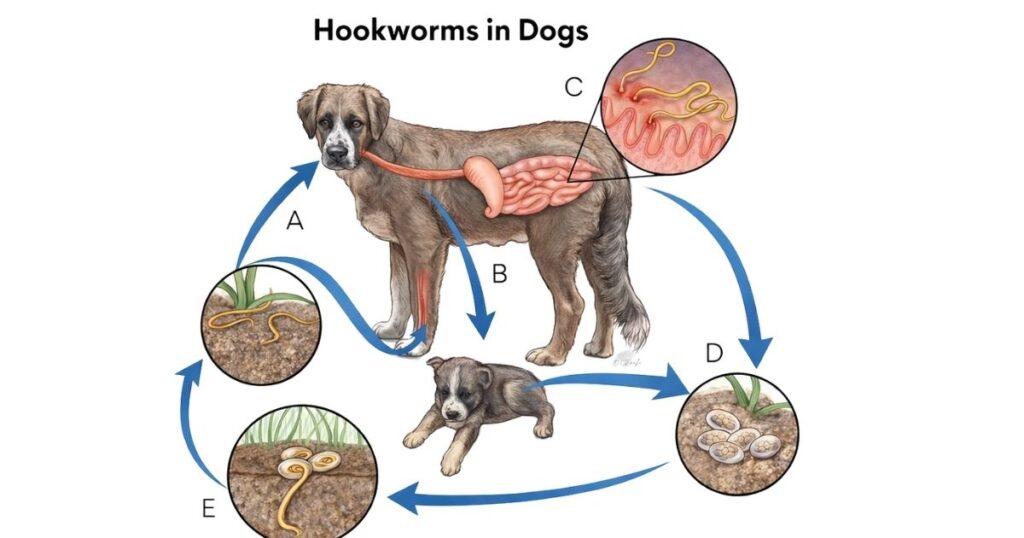
Infections demand closer evaluation. Bacterial infections in dogs like Salmonella in dogs irritate the intestinal lining. Canine viral infections such as Parvovirus or Canine distemper cause severe diarrhea in puppies. Parasites including Giardia in dogs, Coccidia, Roundworms, Whipworms, and Hookworms commonly trigger puppy diarrhea. More complex disorders like Pancreatitis, Inflammatory Bowel Disease (IBD), or Addison’s disease may cause chronic diarrhea management challenges.
Common Reasons Dogs Get Diarrhea
The most frequent cause is simple dietary indiscretion. Dogs eat something they shouldn’t. The gut reacts. However, underlying health conditions sometimes hide beneath the surface. For example, Pancreatitis in dogs often follows fatty meals. Inflammatory Bowel Disease (IBD) develops when the immune system attacks the intestinal lining. Parasites causing diarrhea frequently appear in young dogs or rescues. Identifying the root cause determines whether basic canine diarrhea remedies will work or whether veterinary dietary advice becomes necessary.
When to Seek Veterinary Care
Most mild episodes resolve within 24 to 48 hours. Still, you shouldn’t ignore warning signs. If your dog shows lethargy, fever, abdominal pain, or repeated vomiting in dogs, call your veterinarian. Puppies face higher dog dehydration risks because their fluid reserves are small. Elderly dogs also dehydrate quickly.
Blood in stool demands immediate evaluation. Black stool may indicate internal bleeding. Persistent diarrhea beyond two days suggests something more serious than a simple GI upset in dogs. Trust your instincts. You know your dog’s baseline behavior better than anyone.
Is Dog Diarrhea an Emergency?
It becomes urgent when dehydration, weakness, or collapse appear. Parvovirus can progress rapidly in puppies. Severe cases require fluid therapy for dogs and hospitalization. If your dog can’t keep water down, don’t wait.
Not Sure Whether to See a Vet?
Ask yourself three questions. Is my dog eating and drinking normally? Is energy level stable? Is stool improving? If the answer is no to any of these, schedule an exam. A quick visit often prevents bigger problems.
How Veterinarians Diagnose Dog Diarrhea
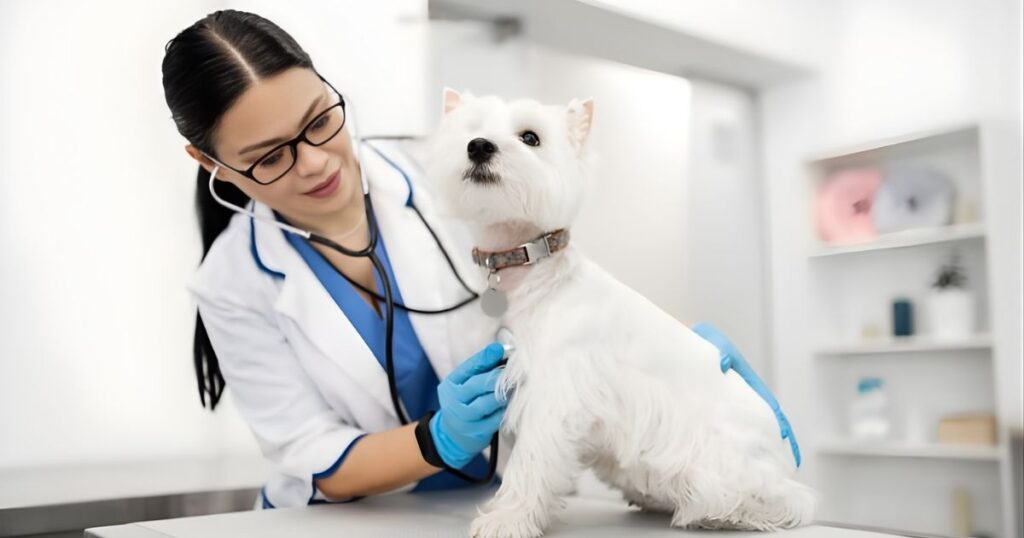
Diagnosis starts with history. Your vet will ask about diet, environment, and exposure risks. A fecal exam identifies parasites such as Giardia in dogs or Coccidia. Blood work (CBC, biochemistry) checks organ function and infection markers. A Parvovirus test rules out viral disease in puppies.
If symptoms persist, diagnostic tests expand. X-ray for dogs evaluates obstruction. Ultrasound assesses inflammation. An intestinal biopsy confirms Inflammatory Bowel Disease (IBD). Food trial for dogs or a formal food elimination trial identifies food intolerance. These veterinary diagnostic tests help narrow causes of chronic diarrhea in dogs.
Step-by-Step Treatment for Dog Diarrhea
Treatment depends on severity and cause. Mild cases often respond to dietary adjustment. Severe infections may require dog antibiotics for GI issues or anthelmintic treatment. The goal remains simple. Restore hydration. Calm inflammation. Rebalance gut flora.
Below is a practical framework you can follow at home for mild cases, provided your dog remains alert and hydrated.
Step 1: Should You Pause or Withhold Food?
A short dog fasting period of 8 to 12 hours allows the gut to rest. Dog fasting for upset stomach reduces stimulation. However, never fast puppies without veterinary advice. They need steady energy.
Step 2: Start a Gentle, Bland Diet
A bland diet for dogs soothes irritation. Try boiled chicken and rice. Boiled ground turkey and rice also work well. Some dogs tolerate extra-lean ground beef. Keep portions small. Feed every few hours. Commercial veterinary diet for GI health options like Hill’s i/d®, Royal Canin Gastrointestinal® Low Fat, or Purina Pro Plan EN® support stool consistency improvement.
Step 3: How to Feed a Dog Recovering from Diarrhea
Offer small meals spaced evenly throughout the day. Gradually mix regular food back in over three to five days. Sudden transitions restart problems. Think of it like easing off the brakes instead of slamming them.
Step 4: Keep Fluids Flowing
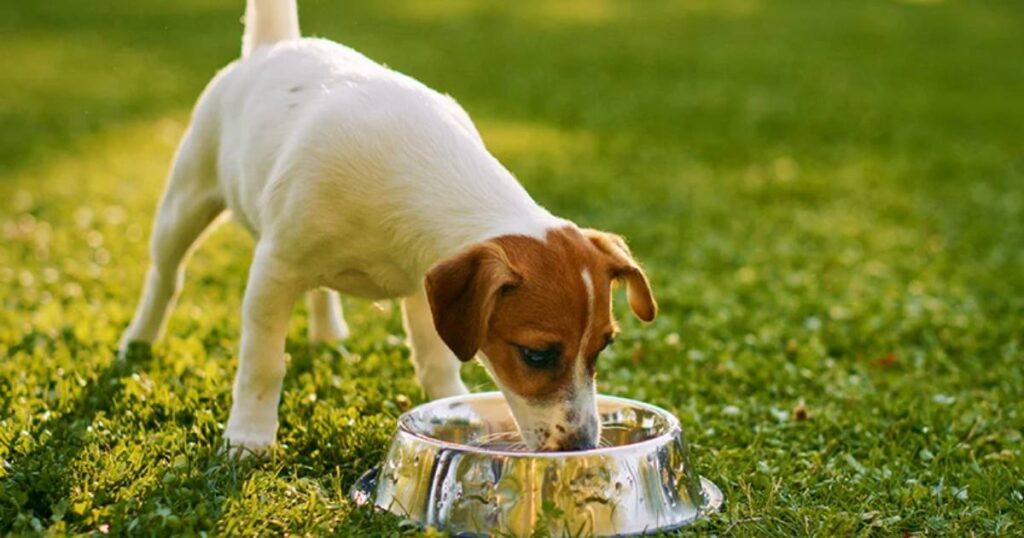
Hydration matters more than food. Encourage frequent small drinks. Pedialyte for dogs may assist electrolyte replacement therapy in mild cases. Severe dehydration requires professional fluid therapy for dogs.
Step 5: Support the Gut with Probiotics
Probiotics for dogs help restore gut flora balance. Options like FortiFlora®, Proviable®, and Visbiome Vet® contain beneficial bacteria. These support canine probiotics therapy and promote healthier canine stool consistency.
What Not to Feed Your Dog During a Diarrhea Episode
Avoid fatty scraps, dairy, raw food, and high-fiber treats. Rich foods worsen osmotic diarrhea in dogs. Stick to simple ingredients until recovery stabilizes.
Step 6: When to Seek Veterinary Care
If no improvement appears within 48 hours, contact your veterinarian. Persistent symptoms may require monoclonal antibody treatment, prescription hydrolyzed protein dog food, or advanced chronic diarrhea management plans.
Recovery, Chronic Cases, and Prevention
Most dogs recover quickly with proper care. You’ll notice energy returning first. Stool firms gradually. Dog recovery from upset stomach often completes within several days. Prevent repeat episodes by avoiding abrupt food changes. Maintain consistent feeding routines. Choose high-quality diets that support pet digestive health.
Preventive care also includes routine deworming and fecal exams. Parasites causing diarrhea remain common. Balanced nutrition strengthens resilience. Think of the gut as a garden. Feed it well. Protect it from invaders. Maintain equilibrium.
For Dogs with Chronic or Recurring Diarrhea
Chronic cases require deeper evaluation. Inflammatory Bowel Disease (IBD), Addison’s disease, or ongoing food intolerance may drive symptoms. A structured food elimination diet for dogs helps isolate triggers. Long-term veterinary dietary advice often includes low-fat dog diet plans or hydrolyzed protein formulas. With patience and monitoring, even persistent Dog Diarrhea can become manageable and predictable rather than disruptive.
FAQ’s
How long does dog diarrhea usually last?
Most mild cases resolve within 24 to 48 hours if hydration stays stable.
Can I give my dog human anti-diarrheal medication?
No. Many human medications are unsafe for dogs. Always consult your veterinarian first.
Is diarrhea in puppies more serious?
Yes. Diarrhea in puppies can lead to dehydration quickly and may signal Parvovirus.
Should I change my dog’s food after diarrhea?
Only if food intolerance or sensitivity is suspected. Gradual transitions are key.
Can stress cause digestive upset in dogs?
Absolutely. Travel, boarding, or environmental changes can trigger temporary GI upset in dogs.

Caleb Ford is pet enthusiast and content strategist who blends real-world pet care experience with digital expertise. He’s known for crafting reliable, research-based articles that inform and inspire pet owners. Caleb’s approach centers on transparency, compassion, and trust key pillars of authentic EEAT-driven storytelling in the pet industry.