
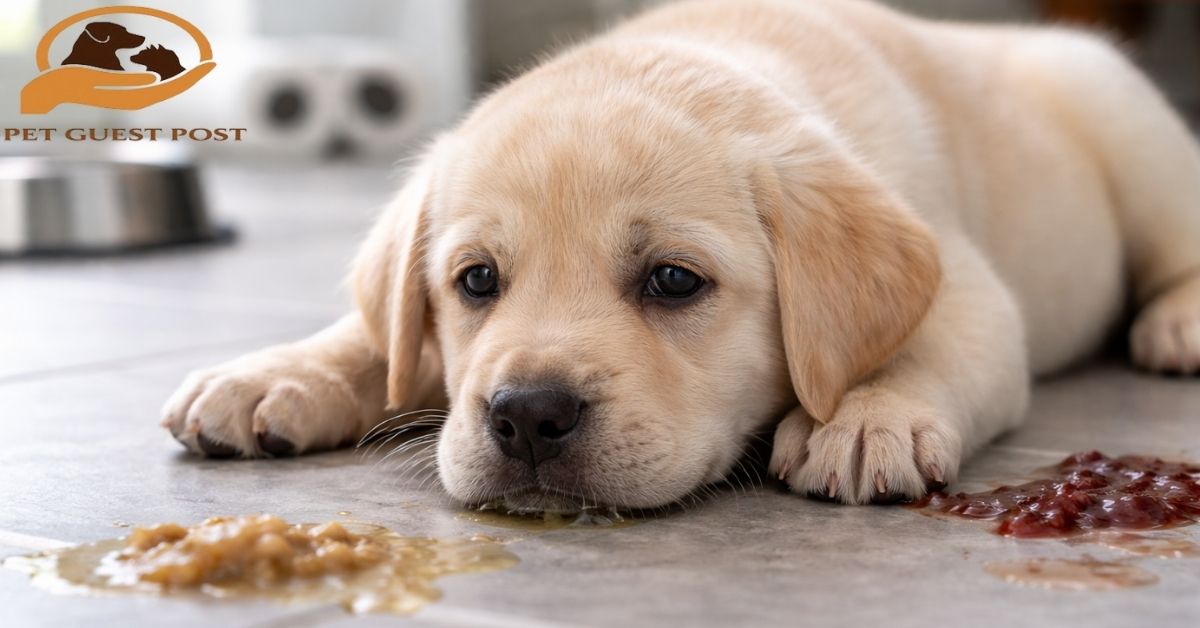
You just brought home a puppy. Everything feels exciting. Then one morning, your pup skips breakfast. You think nothing of it. By evening, something feels off. That quiet moment of doubt? It could be the difference between life and death.
Parvo moves fast. And in Stockton, where warm weather and outdoor parks are part of everyday life, exposure risk is real. Knowing the early signs of parvo can save your puppy’s life before the situation spirals.
This isn’t a scare piece. It’s a practical guide built for Stockton pet owners who want to be ready, not reactive.
What Is Parvo, and Why Is It So Dangerous for Puppies?
Canine parvovirus is a highly contagious viral infection that attacks a puppy’s digestive system and immune cells simultaneously. It doesn’t wait. It doesn’t give second chances. Once the virus enters the body, it targets rapidly dividing cells, particularly in the gut lining and bone marrow.
The result is brutal. A puppy’s body loses its ability to absorb nutrients, fight infection, or stay hydrated. Without treatment, mortality rates can exceed 90%. Even with treatment, survival isn’t guaranteed.
What makes parvo especially dangerous in Stockton’s environment is the virus’s durability. It survives in soil for up to a year. It resists most household cleaners. You can carry it on your shoes without ever knowing. Your puppy doesn’t need direct contact with a sick dog to catch it. That’s what makes this disease so deceptive.
Read More: Why Do Dogs Bark: Understanding Your Dog’s Communication
The 3 Kings of Parvo Awareness: Recognize, Timeline, Act
Think of parvo response in three pillars. Recognize the symptoms before they escalate. Understand the timeline so you know what stage you’re dealing with. Then act fast, because hesitation costs lives.
Most pet owners lose precious hours because they assume their puppy is just tired or having a bad day. By the time vomiting starts, the virus has already been active for days. That’s the trap. Parvo looks mild before it looks catastrophic.
These three pillars aren’t just advice. They’re a framework that gives you clarity when panic wants to set in.
Stage 1: The Silent Phase (Days 1–4 After Exposure)
Here’s the uncomfortable truth. During the first few days after exposure, your puppy will likely look completely normal. No dramatic symptoms. No clear warning flags. This is the incubation period, and it’s the most deceptive phase of the entire illness.
Internally, though, the virus is already replicating. It moves from the throat into the lymph nodes, then travels through the bloodstream toward the intestinal lining and bone marrow. All of this happens quietly.
What you might notice during this phase, if you’re paying close attention, includes subtle shifts in energy. Your puppy might seem slightly less enthusiastic. Playtime feels a little muted. Appetite might dip without disappearing entirely. These are easy to dismiss, and most people do.
If your puppy has recently visited a dog park, been around unknown dogs, or walked through areas frequented by other animals in Stockton, take these small signals seriously. Don’t wait for dramatic symptoms to appear. The early signs of parvo are whisper-quiet at this stage.
Stage 2: Onset of Visible Symptoms (Days 4–6)
This is where parvo starts showing its face. Around day four to six, the symptoms become impossible to ignore. Vomiting is usually the first visible sign. It comes suddenly and repeatedly. Your puppy isn’t just nauseous. The body is beginning to reject everything.
Diarrhea follows quickly, often within hours of the first vomiting episode. At this stage, the stool may appear yellowish or gray. By day five or six, it frequently turns bloody. That smell is distinctive. If you’ve encountered it before, you don’t forget it.
Lethargy deepens significantly. Your puppy may refuse to move, even to greet you. Fever often climbs between 104 and 106 degrees Fahrenheit. Dehydration sets in rapidly because the body is losing fluids faster than it can retain them.
Check your puppy’s gums. Healthy gums are pink and moist. Pale, gray, or tacky gums signal a medical emergency. Press your finger against the gum and release. Color should return within two seconds. If it doesn’t, your puppy needs a vet right now, not tomorrow morning.
The bold truth here: the early signs of parvo at this stage are unmistakable. This is your intervention window. Use it.
Stage 3: Critical Progression (Days 6–10)
If a puppy reaches this stage without veterinary care, the prognosis becomes extremely grim. The intestinal lining has been severely compromised. Bacteria from the gut begin leaking into the bloodstream, causing sepsis. The immune system, already suppressed by the virus attacking bone marrow, can no longer mount a defense.
Vomiting and diarrhea continue relentlessly. Puppies become severely dehydrated and weak. Some collapse entirely. Body temperature may actually drop below normal at this point, which signals shock.
This is also when secondary infections pile on. A body with no immune defenses is vulnerable to everything. What started as a viral infection becomes a multi-system crisis.
Survival at this stage depends entirely on aggressive inpatient veterinary care, including IV fluids, anti-nausea medications, antibiotics, and nutritional support. It’s intensive. It’s expensive. And it’s entirely avoidable with early action.
What Parvo Treatment Actually Involves
There’s no antiviral drug that kills parvovirus directly. Treatment is entirely supportive, meaning veterinarians focus on keeping the puppy stable while the immune system fights the virus on its own.
Intravenous fluid therapy is the cornerstone of treatment. It replaces what the body loses through vomiting and diarrhea. Anti-nausea medications reduce the frequency of vomiting so the puppy can rest. Antibiotics prevent secondary bacterial infections from taking hold while the immune system is suppressed.
In severe cases, plasma or blood transfusions may be necessary. Hospitalization typically lasts three to seven days. Costs in Stockton veterinary clinics can range from $1,500 to over $3,000 depending on severity.
That number stings. But it underscores why catching parvo in the earliest stages matters so much. A puppy treated on day four has a dramatically better outcome than one brought in on day eight.
A Stockton Family’s Experience: What “Catching It Early” Actually Looked Like
A family in south Stockton adopted a 10-week-old lab mix last spring. Three days after bringing him home, he seemed quieter than usual. He ate half his breakfast and went back to his bed. No vomiting. No diarrhea. Nothing dramatic.
His owner, having read about parvo beforehand, called their vet anyway. The vet ran a parvo antigen test. It came back positive. The puppy was admitted immediately.
Because they caught it in stage one, treatment was shorter and less intensive. He was home within four days. Full recovery. The vet told them that if they had waited another 48 hours, the outcome would likely have been very different.
That story isn’t unique. It’s a pattern veterinarians see regularly. Early action works. Hesitation doesn’t.
Why Puppies Are at Higher Risk Than Adult Dogs
Adult dogs that are vaccinated carry antibody protection. Puppies don’t. Their immune systems are still developing, which makes them vastly more susceptible to the virus.
Puppies between six weeks and six months old sit in the highest-risk window. During this period, maternal antibodies received through nursing gradually fade. If vaccination hasn’t been completed to fill that gap, the puppy is essentially unprotected.
Certain breeds carry even higher susceptibility. Rottweilers, Doberman Pinschers, American Pit Bull Terriers, and German Shepherds tend to have more severe reactions to parvovirus. If you own one of these breeds, your vaccination schedule needs to be airtight.
Stockton’s climate also plays a role. The heat accelerates outdoor activity. More dogs in public spaces means more potential exposure routes for unvaccinated puppies.
Parvo Prevention: The Only Strategy That Actually Works
Vaccination is non-negotiable. The parvovirus vaccine is part of the standard DHPP combination shot. Puppies need a series starting at six weeks, repeated every three to four weeks until 16 weeks of age. A booster follows at one year, then every one to three years after that.
Until your puppy completes the full vaccine series, limit exposure to public spaces. Avoid dog parks, pet stores with heavy foot traffic, and areas where unknown dogs frequent. In Stockton neighborhoods with high stray dog activity, keep your puppy off the ground in high-traffic zones when possible.
Disinfect your home with a diluted bleach solution if exposure is suspected. One part bleach to 30 parts water kills parvovirus on hard surfaces. Standard cleaners don’t.
Ask visitors to remove shoes at the door. Wash your hands after contact with unfamiliar dogs. These small habits carry real protective weight.
Emergency Actions: What to Do if You Suspect Parvo
Don’t wait to see if it gets worse. Call your vet immediately and describe the symptoms in detail. Mention any possible exposure: dog parks, stray dogs, new environments. Time matters more than comfort at this point.
While you wait for guidance, keep your puppy warm, quiet, and away from other pets in the house. Parvo spreads easily. Isolation prevents additional animals from being exposed.
Do not attempt to treat parvo at home. No home remedy replaces IV fluid therapy. Electrolyte drinks, broth, or oral rehydration fluids are not sufficient substitutes when the gut lining is compromised. They can’t absorb properly.
Bring a fresh stool sample to the clinic if possible. It speeds up diagnosis and helps your vet act faster.
In Stockton, several emergency veterinary clinics operate after hours. Save the number in your phone now, before you need it. That one small step could save your puppy’s life at 2 a.m.
How to Tell Parvo Apart from Other Stomach Bugs
This question comes up often. Puppies get upset stomachs for all sorts of reasons. Dietary changes, stress, parasites, and foreign objects can all cause vomiting and diarrhea. So how do you know when it’s parvo?
The combination and speed of symptoms matters. A single vomiting episode after eating grass is different from repeated vomiting with bloody diarrhea and total lethargy arriving within hours. Parvo escalates fast. Regular stomach bugs tend to plateau or improve within 24 hours.
Fever is another distinguishing factor. Most minor digestive upsets don’t produce high fevers. Parvo almost always does. If your puppy is lethargic, feverish, and refusing food simultaneously, treat it as a parvo emergency until your vet confirms otherwise.
FAQ’s
Can a vaccinated puppy still get parvo?
Yes, though it’s rare. No vaccine offers 100% protection, but vaccinated puppies that contract parvo almost always have milder symptoms and better survival odds.
How long does parvo last in the environment?
The virus survives in soil and on surfaces for up to 12 months, sometimes longer in shaded or moist conditions. Standard disinfectants don’t eliminate it. Diluted bleach is necessary.
Is parvo contagious to humans or cats?
No. Canine parvovirus does not infect humans. A different strain, feline panleukopenia, affects cats but is distinct from the canine version.
How soon after exposure will symptoms appear?
Most puppies show symptoms between three and seven days after exposure. Some cases stretch to 14 days, which is why quarantine after potential exposure is recommended.
Can a puppy survive parvo without veterinary treatment?
Survival without treatment is possible but unlikely. Mortality rates in untreated cases exceed 80 to 90 percent. Veterinary care dramatically improves survival odds, especially when started early.

Caleb Ford is pet enthusiast and content strategist who blends real-world pet care experience with digital expertise. He’s known for crafting reliable, research-based articles that inform and inspire pet owners. Caleb’s approach centers on transparency, compassion, and trust key pillars of authentic EEAT-driven storytelling in the pet industry.