

Summer is here, and that means more dog park visits, boarding stays, and doggy daycare drop-offs. But with all that extra socializing comes a sneaky little health threat most pet parents don’t think about until their pup starts making that unmistakable honking sound. Yes, we’re talking about kennel cough in dogs, and it’s far more common in the warmer months than you might expect.
If your dog recently came back from a boarding facility or a group playdate sounding like a goose, don’t panic. But don’t ignore it either. Here’s everything you need to know.
What Exactly Is Kennel Cough?
Think of kennel cough as the common cold of the dog world. It’s a highly contagious canine respiratory infection that spreads quickly wherever dogs gather in close quarters. The technical name is infectious tracheobronchitis, which sounds scarier than it usually is.
It’s caused by a mix of bacteria and viruses working together. The main bacterial culprit is Bordetella bronchiseptica, but canine influenza viruses and other pathogens often tag along for the ride. That’s why vets sometimes refer to it as a “complex” rather than a single infection.
Dogs pick it up the same way kids catch colds at school. Through the air, shared water bowls, or a quick nose-to-nose greeting at the dog park. Summer amplifies the risk because dogs are out more, socializing more, and spending more time in boarding facilities or daycare while their owners travel.
Read More: Early Signs of Parvo in Puppies: A Timeline Stockton Pet Owners Need to Know
Recognizing the Symptoms
The most telltale sign is a harsh, forceful cough that sounds almost like your dog is trying to clear something stuck in their throat. Some owners describe it as a honking noise. Others say it sounds like gagging. Either way, once you hear it, you won’t forget it.
Beyond the cough itself, you might also notice dog sneezing and gagging, a runny nose, eye discharge, and low-grade lethargy. Most dogs stay pretty energetic and continue eating normally, which is actually a good sign.
In mild cases, the symptoms resolve on their own within one to three weeks. But here’s where it gets tricky. Puppies, elderly dogs, and immunocompromised pets can develop complications much faster. What starts as a simple upper respiratory infection can spiral into dog pneumonia risk territory if left unchecked.
Watch closely if your dog stops eating, develops a fever, seems unusually tired, or if the cough sounds wet and rattling rather than dry. Those are your signals to call the vet right away.
How Is It Diagnosed?
There’s no single definitive home test for this. A proper veterinary diagnosis involves your vet listening to your dog’s breathing, reviewing their recent history (like boarding or daycare visits), and sometimes running cultures or blood panels.
In many cases, the history alone tells the story. If your dog was at a boarding facility last week and now has that characteristic cough, your vet will likely suspect kennel cough immediately. That said, your vet may want to rule out other conditions like canine influenza or more serious respiratory issues before settling on a treatment plan.
Don’t try to self-diagnose this one. Dog respiratory infection signs can overlap with several other illnesses, and the wrong assumption can delay proper care.
How Is Kennel Cough Treated?
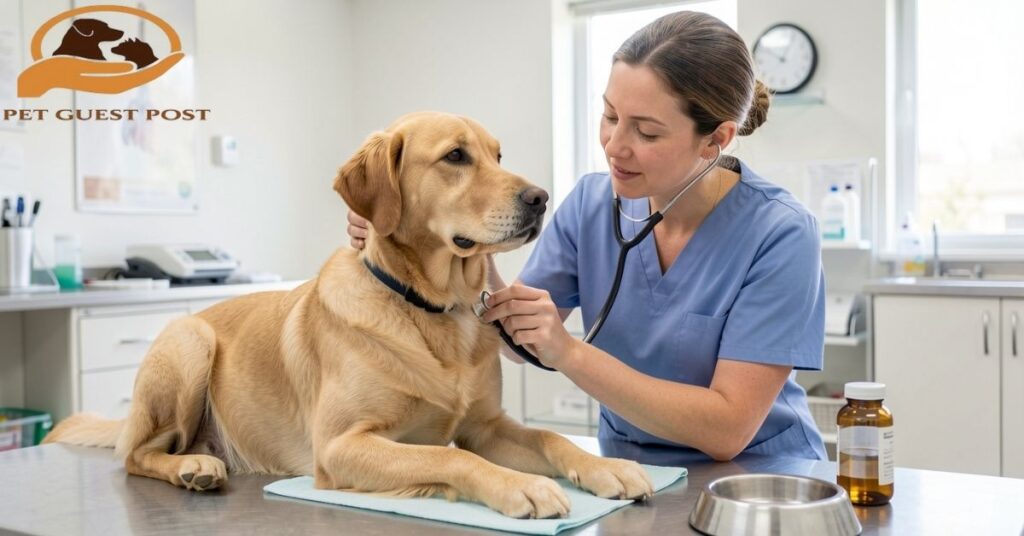
Here’s the good news. Most healthy adult dogs recover without much intervention. Rest, hydration, and reduced physical activity go a long way. Think of it like how you’d treat a mild cold.
For more persistent or severe cases, your vet might prescribe antibiotics for kennel cough, particularly if Bordetella bronchiseptica is the primary cause. Dog cough suppressants may also be recommended to ease the discomfort and help your pup sleep. Never give your dog human cough medicine. Some ingredients, like xylitol or certain antihistamines, are toxic to dogs.
Antibiotics for dogs won’t help if the cause is purely viral, which is another reason a proper diagnosis matters. Your vet will tailor the treatment based on what’s actually going on.
Puppy cough treatment often requires more aggressive management. Puppies have developing immune systems, so what seems minor in an adult dog can escalate quickly in a young one. Always loop in your vet early when puppies are involved.
During recovery, keep your dog away from other dogs. Kennel cough is contagious and your pup can still spread it even while they’re getting better. Good hygiene, clean water, and a calm environment support faster healing.
Can Kennel Cough Be Prevented?
Absolutely, and this is where summer prep really matters. The Bordetella vaccine for dogs is the primary line of defense. It’s available as an injection, a nasal spray, or an oral formula. Many boarding facilities and doggy daycares actually require proof of vaccination before they’ll accept your dog, and for good reason.
The vaccine doesn’t guarantee your dog will never get kennel cough, but it significantly reduces the severity and duration of infection if they do catch it. Consider it less of a forcefield and more of a buffer.
Vaccination for dogs should be part of a consistent dog vaccination schedule, reviewed with your vet annually. Puppies, senior dogs, and those with weakened immune systems may need more frequent boosters.
Beyond vaccines, practicing smart dog boarding precautions makes a real difference. Ask facilities about their cleaning protocols. Check whether they require health documentation from all dogs. Avoid peak-risk environments during local outbreaks if your dog is elderly or unwell.
Good preventive pet care during summer also means not letting your dog share water bowls with unknown dogs at the park. It’s a small habit that can prevent a lot of unnecessary illness.
Is It a Serious Condition?
For most healthy adult dogs, kennel cough is more of an inconvenience than a crisis. It’s uncomfortable and annoying, but it typically resolves without lasting damage.
The concern rises with vulnerable populations. Elderly dog health can take a real hit from even a “mild” respiratory infection. The same goes for puppies and dogs already managing chronic conditions. In these cases, what starts as kennel cough can escalate to dog pneumonia risk, which requires hospitalization and intensive treatment.
Also worth noting: stress, poor nutrition, and lack of sleep weaken your dog’s immune system just like they weaken yours. A dog that’s run down going into summer is more likely to catch something and less likely to bounce back quickly.
So while kennel cough isn’t a dog health emergency in most cases, it demands respect. Don’t dismiss it, especially if your dog is very young, very old, or already dealing with health challenges.
Similar Conditions to Consider
Not every cough is kennel cough. Several conditions share overlapping symptoms, and misidentifying them can lead to delayed treatment.
Canine influenza, for example, presents similarly but tends to come with higher fevers and more pronounced fatigue. It spreads rapidly through dog populations and can be more severe than typical kennel cough. Contagious dog diseases like distemper also involve respiratory symptoms but are far more serious and require immediate veterinary care.
Tracheal collapse, heart disease, and allergies can all cause persistent coughing in dogs too. This is why context matters so much. A dog that hasn’t been around other dogs recently but is coughing might need a completely different workup than one who just left a boarding facility.
Your vet is the best person to untangle this. Don’t try to shortcut the diagnostic process just because your dog “seems fine otherwise.”
Is Kennel Cough Contagious to People?
This question comes up constantly, and the answer is nuanced. In healthy adults, the bacteria and viruses that cause kennel cough don’t typically pose a risk. The question of whether dogs can spread cough to humans is mostly answered with: no, not under normal circumstances.
However, there are rare exceptions. People with compromised immune systems, including those undergoing chemotherapy, living with HIV, or recovering from major illness, should take extra precautions. Bordetella bronchiseptica has been documented to cause infections in immunocompromised humans in rare cases.
If you’re in a high-risk category and your dog is diagnosed with kennel cough, talk to both your vet and your own doctor. It’s a small risk, but it’s worth discussing openly.
For the average healthy person, cuddling your coughing pup isn’t going to land you in urgent care. Still, basic hygiene like washing your hands after handling a sick dog is always a sensible move.
Summer Dog Care Tips to Keep Respiratory Illness at Bay
Summer dog care goes beyond sunscreen and hydration. Here are a few practical habits that make a genuine difference:
- Keep your dog’s vaccinations current before summer travel or boarding stays
- Inspect new doggy daycares and ask direct questions about their illness protocols
- Avoid letting your dog mingle with visibly sick dogs, even briefly
- Disinfect your dog’s gear after visits to shared spaces
- Monitor your dog for the first few days after any group interaction
These aren’t paranoid habits. They’re just smart ones. Dog daycare safety and responsible dog daycare illness management start with pet parents who stay informed and stay proactive.
FAQ’s
How long does kennel cough last in dogs?
Most cases clear up within one to three weeks in healthy adult dogs, though puppies and senior dogs may take longer.
Is kennel cough contagious to other dogs in the same house?
Yes, it spreads easily between dogs through airborne droplets and shared surfaces, so isolate your sick pup right away.
Can my dog get kennel cough even after being vaccinated?
Yes, the vaccine reduces severity but doesn’t offer complete protection since multiple pathogens can cause the condition.
Should I take my dog to the vet for kennel cough?
Always consult a vet, especially if your dog is a puppy, elderly, or if symptoms worsen or last beyond a week.
What home remedies help with kennel cough recovery?
Rest, warm fluids, and a calm environment help. A small amount of honey may soothe the throat, but always confirm with your vet first.

Caleb Ford is pet enthusiast and content strategist who blends real-world pet care experience with digital expertise. He’s known for crafting reliable, research-based articles that inform and inspire pet owners. Caleb’s approach centers on transparency, compassion, and trust key pillars of authentic EEAT-driven storytelling in the pet industry.