
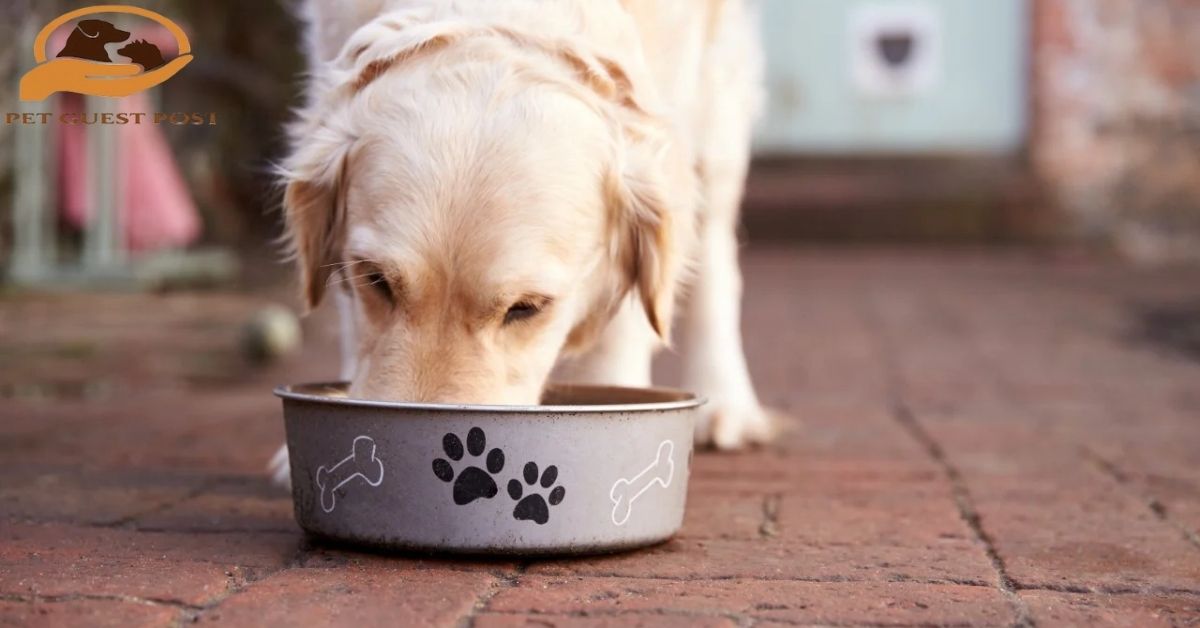
You fill the water bowl. Your dog walks right past it, eats their food like nothing’s wrong, and then goes back to napping. Sound familiar? It’s one of those moments where you’re not sure if you should panic or just shrug it off.
Here’s the thing, a dog eating but not drinking isn’t always a red flag. But it’s also not something you want to ignore for days on end. The reasons behind this behavior range from totally harmless to genuinely concerning, and knowing the difference can save your dog a lot of discomfort.
What It Means When Your Dog Eats but Refuses to Drink
When your dog refuses to drink water but eats food without any fuss, your first instinct might be to assume something’s seriously wrong. Sometimes it is. Often, though, it’s a combination of smaller factors you haven’t considered yet. Dogs don’t drink on a fixed schedule the way we do. Their thirst levels fluctuate depending on their diet, activity, environment, and overall health.
So before you spiral into worst-case scenarios, it helps to look at the bigger picture.
Dogs Sometimes Get Water from Food
This is the one most people overlook. If you’re feeding your dog wet food or a mix of wet and dry, they may already be getting a significant chunk of their daily hydration through their meals. Wet dog food moisture content can be surprisingly high, often around 70 to 80 percent water. So your dog isn’t necessarily dehydrated just because they’re skipping the bowl.
Think of it this way. If you ate a bowl of soup for every meal, you’d probably drink less water too. It’s just logic. Dogs who eat wet food regularly tend to show lower interest in their water bowl, and that’s completely normal canine drinking behavior.
That said, if you’re feeding mostly dry kibble and your dog is still avoiding water, that’s a different conversation.
Environmental Changes Can Affect Water Intake
Dogs are creatures of habit. A change in routine, a new home, a new bowl, even a different spot in the kitchen can mess with their drinking habits. Dog environmental stress factors play a bigger role in behavior than most pet owners realize.
Has anything changed at home recently? A new pet, a houseguest, construction noise, moving furniture? Any of these can temporarily shift your dog’s comfort level. Some dogs won’t eat or drink in spaces where they feel anxious or unsettled. It’s not stubborn, it’s just how they cope.
Also worth checking: the water bowl itself. A dirty bowl, a bowl that’s too deep, or one made from a material your dog doesn’t like can quietly put them off drinking. Try switching to a clean stainless steel bowl in a quieter area and see if things change.
Read More: Nystagmus in Cats: Cat Eye Twitching
Behavioral Reasons
Sometimes a dog refusing water bowl has nothing to do with illness or stress at all. It’s just a quirk. Some dogs prefer running water and will ignore a still bowl entirely. Others drink in patterns, barely touching water all morning, then drinking a lot in the evening.
Younger dogs, especially puppies, can be oddly selective. They’ll sniff the bowl, walk away, come back an hour later and drink normally. It’s maddening, but it’s often just part of their personality. Monitoring your dog’s drinking habits over a day or two gives you a much clearer picture than checking once and panicking.
Signs That Your Dog May Be Dehydrated
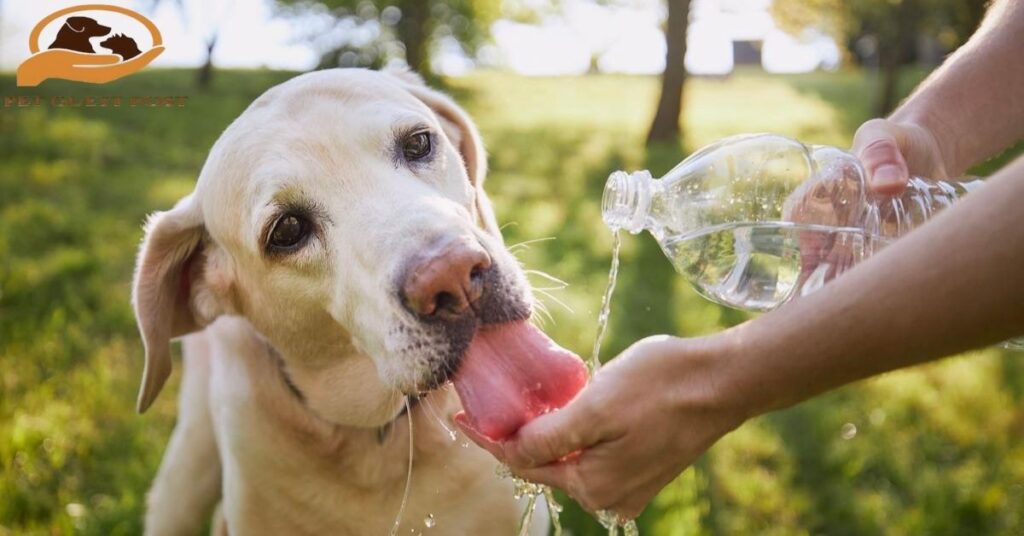
Skipping the water bowl once or twice is one thing. But if your dog has been avoiding water for more than 24 hours, you want to check for actual signs of dehydration in dogs.
The skin turgor test is one of the easiest. Gently pinch the skin at the back of your dog’s neck or between the shoulder blades. In a well-hydrated dog, the skin snaps back almost immediately. If it stays tented for a moment, that’s a warning sign.
Check their gums too. Healthy, hydrated dogs have moist, pink gums. Dry, tacky, or pale gums point toward dehydration. You can also press lightly on the gum, in a normal dog, the white spot that forms from the pressure returns to pink within two seconds. Slower than that, and it’s time to pay closer attention.
Other pet dehydration symptoms include sunken eyes, lethargy, thick or sticky saliva, reduced urination, and dark-colored urine. If your dog seems unusually tired alongside their reduced water intake, don’t wait. That combination deserves a vet visit.
Could an Underlying Condition Be Affecting Hydration?
In some cases, the medical reasons a dog avoids water go deeper than behavior or diet. Certain health conditions actively reduce a dog’s desire to drink, and this is where dog water intake changes become clinically important.
Kidney disease, diabetes, Addison’s disease, and certain infections can all affect how thirsty a dog feels. Ironically, some of these conditions, like early kidney disease, cause excessive thirst at first, then reduced intake as the disease progresses. Pain in the mouth, dental disease, or sore gums can also make drinking physically uncomfortable, even if the dog has no trouble eating soft food.
Nausea is another factor. A dog who feels nauseated may avoid water because drinking makes the feeling worse. If your dog is also vomiting, seems off their balance, or is unusually quiet, an underlying condition is a real possibility.
Causes of dehydration in dogs aren’t always straightforward. Sometimes it’s the symptom of something else entirely. This is why dog health behavior changes, especially ones that persist, always warrant a closer look.
When Should You Contact Your Veterinarian?
Most dog owners wonder: should I worry if my dog is not drinking water? The honest answer is: it depends on how long it’s been and what else you’re seeing.
If your dog hasn’t had noticeable water intake in 24 hours and is also showing dehydration symptoms, call your vet. Don’t wait two or three days hoping it resolves on its own. When to call a veterinarian for dog dehydration is a judgment call, but here’s a simple rule: when in doubt, call.
Also contact your vet right away if your dog is a puppy, a senior, or has a known health condition. These groups are more vulnerable to rapid dehydration and need faster attention. The same applies if your dog is vomiting, has diarrhea, or seems disoriented on top of not drinking.
Veterinary advice for dog dehydration may include diagnostic tests, fluids, or simply a dietary adjustment depending on the cause. Getting ahead of it early is always better than waiting until things escalate.
What You Can Observe at Home Before Your Appointment
While you’re waiting to see the vet, there’s plenty you can observe and document at home. This isn’t about diagnosing your dog yourself, it’s about giving your vet the clearest possible starting point.
Watch how much water your dog actually drinks over a 12-hour window. Note what they eat, how much, and what type of food. Notice their energy levels, bathroom habits, and any changes in behavior. Is your dog hiding more than usual? Sleeping in odd spots? Breathing differently? All of it matters.
Helpful Details to Share with Your Vet
When you get to the appointment, your vet will likely ask several questions. Being ready with solid answers speeds up the whole process.
Tell them when you first noticed the change in dog drinking behavior. Mention the type of food you’re feeding, including any recent switches. Describe any environmental changes in the last week or two. Note whether your dog has been more or less active than usual. If you saw any vomiting, diarrhea, or changes in urine color or frequency, share that too. The more specific you are, the faster they can pinpoint what’s going on.
Hydration Habits Can Shift with Age and Activity
One thing that often catches dog owners off guard is how naturally a dog’s hydration needs shift over time. What’s normal for a two-year-old Labrador sprinting around the yard isn’t normal for an eight-year-old Labrador who mostly lounges.
Understanding canine drinking behavior across life stages helps you set realistic expectations and notice when something is genuinely off.
Older Dogs May Drink Less
As dogs age, their metabolism slows down and their bodies become less efficient at regulating internal processes, including thirst signaling. Older dogs may drink less not because they’re sick but because their baseline has simply shifted. That said, a senior dog avoiding water is still worth monitoring more closely than a young, energetic dog doing the same thing.
Dog hydration habits in senior dogs can also be affected by joint pain. If the water bowl is in a spot that requires effort to reach, like across a slippery floor or up a step, an arthritic dog might just avoid the trip. Moving the bowl closer and switching to a wider, lower dish can make a real difference.
Less Activity, Less Thirst
This one makes complete sense. A dog who spent the weekend hiking with you will drink far more than a dog who napped through a rainy Tuesday. Dog thirst levels are directly tied to physical exertion and heat. A less active day means less water consumed, and that’s not a problem.
Where it becomes a concern is when low water intake persists across multiple days regardless of activity. That’s when dog hydration problems shift from normal fluctuation into something worth investigating.
FAQ’s
How long can a dog go without drinking water?
Most healthy dogs can go 24 to 48 hours without water, but anything beyond that risks serious dehydration and should be addressed by a vet immediately.
Can my dog get enough hydration from wet food alone?
Wet food has high moisture content and contributes meaningfully to hydration, but it’s generally not enough on its own to fully replace regular water intake for most dogs.
Why does my dog sniff the water bowl but not drink?
Your dog may be detecting an odor in the bowl, disliking the material, or simply not feeling thirsty at that moment. Try cleaning the bowl or switching its location.
Is it normal for dogs to drink less in winter?
Yes. Dogs tend to drink less when it’s cold because they’re not losing as much fluid through panting. As long as they’re drinking some water and showing no dehydration signs, it’s usually fine.
When is not drinking water a veterinary emergency?
If your dog hasn’t drunk water in over 24 hours and is also showing lethargy, dry gums, sunken eyes, or vomiting, treat it as urgent and contact your vet right away.

Caleb Ford is pet enthusiast and content strategist who blends real-world pet care experience with digital expertise. He’s known for crafting reliable, research-based articles that inform and inspire pet owners. Caleb’s approach centers on transparency, compassion, and trust key pillars of authentic EEAT-driven storytelling in the pet industry.