You’ve probably seen it before. Your dog is dragging their bottom across the carpet, or your cat is obsessively licking their rear end. It’s awkward to watch, and honestly, a little alarming. But before you panic, know this, it’s usually not a mystery illness. More often than not, it comes down to something most pet owners don’t think about until it becomes a problem: anal glands.
These tiny structures can cause surprisingly big discomfort. And if you don’t know what to look for, things can go from mildly annoying to genuinely painful for your pet, fast. Let’s break it all down in plain terms so you know exactly what’s going on and what to do about it.
What Are Anal Glands?
Every dog and cat has two small sacs sitting just inside the anal opening, one on each side. These are the anal glands, also called anal sacs. They hold a strong-smelling, oily fluid that animals use for scent marking. In the wild, this fluid is released naturally during bowel movements, essentially saying “I was here” to other animals.
In healthy pets, this happens automatically. The pressure from a firm stool empties the sacs a little each time your pet goes to the bathroom. Simple enough, right? Well, not always. When the fluid doesn’t drain properly, it builds up. That’s when the real trouble begins.
Smaller dog breeds like Chihuahuas, Dachshunds, and Toy Poodles tend to struggle more with this than larger breeds. Their anatomy makes natural drainage trickier. But any pet, regardless of size or breed, can develop anal sac issues at some point.
Read More: Why Is My Dog Not Drinking Water but Eating?
Signs Your Pet May Have Anal Gland Problems
The signs are usually pretty obvious once you know what to look for. Dog scooting behavior is one of the most common clues. If your dog is sliding their bottom along the floor, they’re not being weird for the fun of it. They’re trying to relieve pressure or itching.
Here are other signs worth watching for:
- Frequent licking or biting at the base of the tail or rear end
- A fishy or unusually foul odor coming from your pet’s rear
- Swelling or redness near the anal area
- Difficulty or straining during bowel movements
- Your pet appearing restless, uncomfortable, or snapping when touched near the tail
If you notice any combination of these, it’s a good sign your pet may be dealing with blocked anal glands or early infection. Don’t wait too long. What starts as mild discomfort can escalate into a full abscess, which is painful and requires more intensive treatment.
When Is Anal Gland Expression Needed?
This is where a lot of pet owners feel unsure. Not every pet needs regular anal gland expression. For many dogs and cats, the glands empty on their own without any help. But for others, manual expression becomes a routine part of their care.
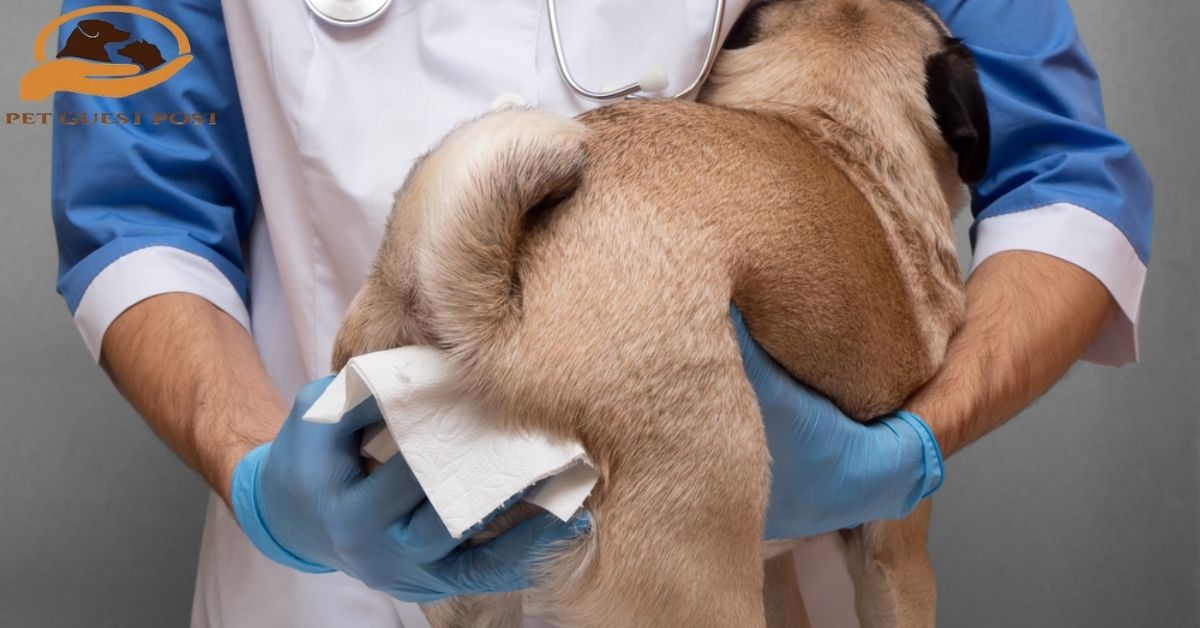
The anal gland expression procedure involves gently applying pressure to both sacs to release the built-up fluid. A groomer can do this externally, but if there’s infection or impaction involved, a veterinarian should handle it internally for a more thorough result.
Your vet might recommend regular expression if your pet has had repeated blockages, chronic infections, or if their anatomy simply makes natural drainage difficult. For some small dog breed health issues, this becomes a monthly routine.
Don’t try to do it yourself without proper guidance. Incorrect technique can cause injury or push infection deeper. When in doubt, let a professional handle it.
How to Help Prevent Anal Gland Issues
Here’s something most pet owners don’t realize: diet plays a huge role. Soft or loose stools don’t create enough pressure to empty the anal sacs during a bowel movement. That’s often the root cause of recurring problems.
Increasing dietary fiber can firm up your pet’s stool and naturally improve gland drainage. Talk to your vet about adding pumpkin, fiber supplements, or switching to a higher-fiber food. It sounds simple, but it genuinely makes a difference for a lot of pets.
Beyond diet, keeping your pet at a healthy weight matters too. Overweight pets are more prone to anal sac issues because excess fat in the area can physically obstruct the ducts. Regular exercise, proper hydration, and routine vet checkups all contribute to better pet hygiene and gland care overall.
Some vets also recommend omega-3 supplements to reduce inflammation in pets prone to recurring problems. It’s worth asking about during your next visit.
What About Cats?
Do cats have anal gland problems? Yes, though it’s less common than in dogs. Cat anal gland problems tend to fly under the radar because cats are more private about their discomfort. They may not scoot as dramatically as dogs, but they’ll often lick excessively or show subtle signs of irritation.
Symptoms of blocked anal glands in cats include swelling around the anus, a noticeable smell, and changes in litter box behavior. If your cat suddenly seems reluctant to sit or is grooming their rear more than usual, that’s worth mentioning to your vet.
The causes are similar to dogs: soft stools, obesity, allergies, or simply anatomy. Treatment is also similar, involving manual expression and, in infection cases, antibiotics. Cats are just a bit better at hiding how much it bothers them.
When Surgery Is an Option
Most anal gland problems resolve with expression and some dietary changes. But for pets with chronic, recurring infections or those who develop abscesses repeatedly, surgical removal of the anal sacs (called anal sacculectomy) becomes a conversation worth having with your vet.
When is anal gland surgery needed? Usually when all conservative treatments have failed and the pet’s quality of life is genuinely being affected. It’s not a first-line solution, but it’s a permanent one. Veterinary care for gland problems at this level is specialized, and outcomes are generally very good when the surgery is done by an experienced surgeon.
There are potential complications, including temporary fecal incontinence, so it’s a decision made carefully with full information. Your vet will walk you through the risks and benefits based on your pet’s specific history.
Final Thoughts
Anal glands are one of those topics that feel uncomfortable to talk about but absolutely shouldn’t be ignored. The good news is that with a little awareness and the right care, most pets do just fine. Catching problems early makes treatment straightforward. Left too long, things get messier in every sense of the word.
Pay attention to your pet’s behavior. Trust your instincts when something seems off. And never hesitate to call your vet when you spot the signs. Your pet can’t tell you what’s wrong in words, but their behavior says plenty.

Caleb Ford is pet enthusiast and content strategist who blends real-world pet care experience with digital expertise. He’s known for crafting reliable, research-based articles that inform and inspire pet owners. Caleb’s approach centers on transparency, compassion, and trust key pillars of authentic EEAT-driven storytelling in the pet industry.