
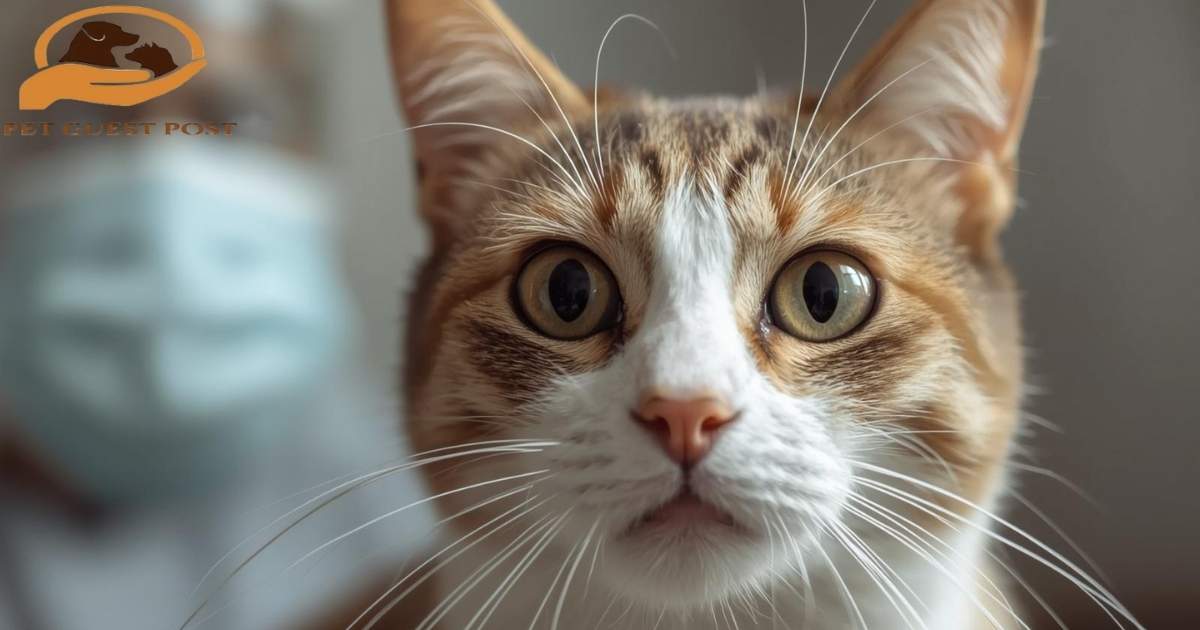
You’re watching your cat lounge on the couch, and suddenly you notice something strange. Their eyes are moving on their own, flickering side to side or up and down, almost like they’re watching an invisible tennis match. It’s unsettling. And your first thought is probably, “Is my cat okay?”
That involuntary eye movement has a name: nystagmus. And while it sounds clinical and intimidating, understanding what’s behind it can help you act quickly and confidently. Cat eye twitching isn’t always a crisis, but it’s never something you should brush off either.
What Is Cat Eye Twitching?
Nystagmus refers to repetitive, uncontrolled eye movements that your cat cannot voluntarily stop. The eyes may move horizontally, vertically, or in a rotating pattern. It’s not a condition in itself but rather a sign that something else is going on beneath the surface.
When you notice cat eye twitching, what you’re really seeing is your cat’s nervous system struggling to stabilize their gaze. The eyes are supposed to hold still and focus. When they can’t, it usually points to a disruption somewhere in the vestibular system or the brain.
This can happen in cats of any age. Kittens can be born with it. Senior cats may develop it suddenly. Either way, it deserves your attention.
How the Vestibular System Affects Eye Movement
Think of the vestibular system as your cat’s internal GPS. It lives inside the inner ear and communicates directly with the brain to regulate balance, spatial orientation, and coordinated movement. When it’s working perfectly, your cat lands every jump with graceful precision.
When something disrupts this system, that signal breaks down. The brain gets confused about where the body is in space, and the eyes start compensating erratically. That erratic compensation is what you see as twitching or flickering eye movement.
The vestibular system also controls something called the vestibulo-ocular reflex. This reflex keeps the eyes stable when the head moves. If the inner ear sends faulty signals, this reflex misfires, and the eyes begin that rhythmic, involuntary movement we call nystagmus.
Read More: Fleas on Cats: Signs, Health Risks, and the Best Ways to Eliminate Them
Central vs. Peripheral Vestibular Disease
This distinction matters more than most cat owners realize. Peripheral vestibular disease originates in the inner or middle ear. It’s more common and, in many cases, more treatable. Central vestibular disease originates in the brain itself, specifically in the brainstem or cerebellum. It tends to be more serious.
Vets use the direction and pattern of eye movement, along with other symptoms, to figure out which type they’re dealing with. Horizontal nystagmus often points to peripheral causes. Vertical or rotary nystagmus tends to suggest central involvement, and that typically warrants more urgent investigation.
Common Causes of Cat Eye Twitching
There’s rarely just one explanation. The causes range from easily treatable infections to complex neurological conditions. Here’s what vets most commonly find.
Ear Infections
Middle ear infection in cats is one of the most frequent culprits. Bacteria or yeast can travel from the outer ear canal into the middle or inner ear, inflaming the vestibular structures. Once that inflammation takes hold, balance problems, head tilting, and abnormal eye movement in cats follow quickly.
Your cat might also be shaking their head, scratching at their ears, or seeming unusually wobbly. These signs together paint a clear picture for any vet.
Toxins and Medications
Certain substances can directly damage the vestibular system or the nerves connected to it. Some antibiotics, particularly aminoglycosides, are known to cause inner ear toxicity in cats. Exposure to heavy metals or certain household chemicals can also trigger sudden eye twitching in cats.
If your cat got into something they shouldn’t have, that timeline is crucial information for your vet.
Neurological Disorders
Feline neurological symptoms like nystagmus can stem from tumors, inflammatory brain disease, or conditions like feline infectious peritonitis affecting the central nervous system. Cat brain disorders are less common but must be ruled out, especially when other treatments haven’t produced results.
Trauma
A fall, a car accident, or a blow to the head can damage the inner ear or brain structures that govern balance. Trauma-induced vestibular system dysfunction may appear immediately after the incident or develop over hours as swelling sets in.
Congenital Conditions
Some cats, particularly Siamese and Burmese breeds, are born with a congenital vestibular disorder. Their eyes may move abnormally from birth. In these cases, the condition is often stable and doesn’t worsen over time, though it doesn’t fully resolve either.
What to Expect During a Veterinary Visit
Walking into that vet appointment can feel overwhelming, especially when your cat is clearly uncomfortable. But knowing what’s coming helps.
Your vet will start with a thorough physical and neurological examination. They’ll observe how your cat walks, holds their head, and responds to stimuli. They’ll check the eyes closely, noting the direction and speed of the movement. They’ll also look inside the ears for any signs of infection or discharge.
Be ready to share when the twitching started, whether it came on suddenly or gradually, and any other unusual behavior you’ve noticed. Every detail helps narrow things down.
Diagnostic Tools
Depending on what the initial exam reveals, your vet may recommend blood and urine tests to check for infection or systemic illness. Imaging studies like X-rays, CT scans, or MRI can reveal tumors, structural abnormalities, or inflammation inside the skull.
How vets diagnose cat eye twitching often involves a combination of these tools. An MRI is particularly valuable for identifying central vestibular disease, since it provides detailed images of the brainstem and cerebellum. In some cases, cerebrospinal fluid analysis is performed to look for signs of inflammation or infection in the nervous system.
Symptoms That May Accompany Cat Eye Twitching
Nystagmus rarely shows up alone. It tends to bring company. Paying attention to the full picture helps your vet work faster and helps you communicate more clearly during that appointment.
Vestibular disease in cats frequently causes a distinctive head tilt, where your cat’s head leans to one side as if they’re perpetually listening for something. Cat coordination problems are also common. Your cat may stumble, circle in one direction, or seem genuinely unable to walk in a straight line. Feline dizziness symptoms can look a lot like intoxication.
Other Symptoms to Watch For:
- Head tilting persistently to one side
- Rolling or falling toward one side
- Loss of appetite due to nausea
- Vomiting
- Reluctance to move or jump
- Sensitivity to light or sound
- Facial nerve paralysis in more severe cases
If several of these symptoms appear together, especially with sudden onset, that’s a signal to get to the vet the same day, not tomorrow.
Can Cat Eye Twitching Be Treated?
The good news is that many cats respond very well to treatment, especially when the underlying cause is caught early. Treatment for cat eye twitching depends entirely on what’s driving it.
Ear infections are treated with antibiotics or antifungals, often combined with anti-inflammatory medication to reduce swelling in the vestibular structures. Most cats show noticeable improvement within one to two weeks. Toxin exposure is managed by removing the source and providing supportive care.
Neurological causes are more complex. Tumors may require surgery, radiation, or chemotherapy. Inflammatory conditions often respond to steroids or immunosuppressants. Your vet will guide you through the realistic options based on your cat’s specific diagnosis and overall health.
Idiopathic vestibular disease, which has no identifiable cause, is actually quite common in older cats. It looks alarming but often resolves on its own within two to four weeks with minimal intervention.
Long-Term Outlook
Can cats recover from vestibular disease? Many do, and remarkably well. Cats with peripheral vestibular disease often make full recoveries. Those with central vestibular disease have more variable outcomes, depending on the underlying cause and how quickly treatment began.
Even cats that don’t fully recover can adapt. Cats are resilient creatures. A slight residual head tilt or occasional wobble doesn’t necessarily stop them from living a comfortable, happy life. Cat nystagmus treatment options have also improved significantly, so working closely with a vet gives your cat the best possible shot.
FAQ’s
Why is my cat’s eye twitching suddenly?
Sudden eye twitching in cats is usually linked to vestibular disease, an ear infection, or a neurological event. It warrants a vet visit, especially if it appears alongside a head tilt or loss of balance.
Can stress cause nystagmus in cats?
Stress alone doesn’t typically cause nystagmus. However, extreme stress or anxiety can temporarily worsen existing vestibular symptoms. If twitching appears out of nowhere, a physical cause is far more likely.
Is cat eye twitching always serious?
Not always. Idiopathic vestibular disease can resolve on its own, and ear infections are very treatable. That said, any involuntary eye movement should be evaluated by a vet to rule out serious neurological conditions.
How long does vestibular disease last in cats?
Most cats with idiopathic vestibular disease improve significantly within 72 hours and recover fully within two to four weeks. Cases linked to infections or neurological causes may take longer depending on treatment response.
When should I take my cat to the vet for eye twitching?
If the twitching is new, persistent, or paired with head tilting, loss of balance, vomiting, or confusion, go to the vet that day. Early diagnosis genuinely makes a difference in how well your cat recovers.

Caleb Ford is pet enthusiast and content strategist who blends real-world pet care experience with digital expertise. He’s known for crafting reliable, research-based articles that inform and inspire pet owners. Caleb’s approach centers on transparency, compassion, and trust key pillars of authentic EEAT-driven storytelling in the pet industry.