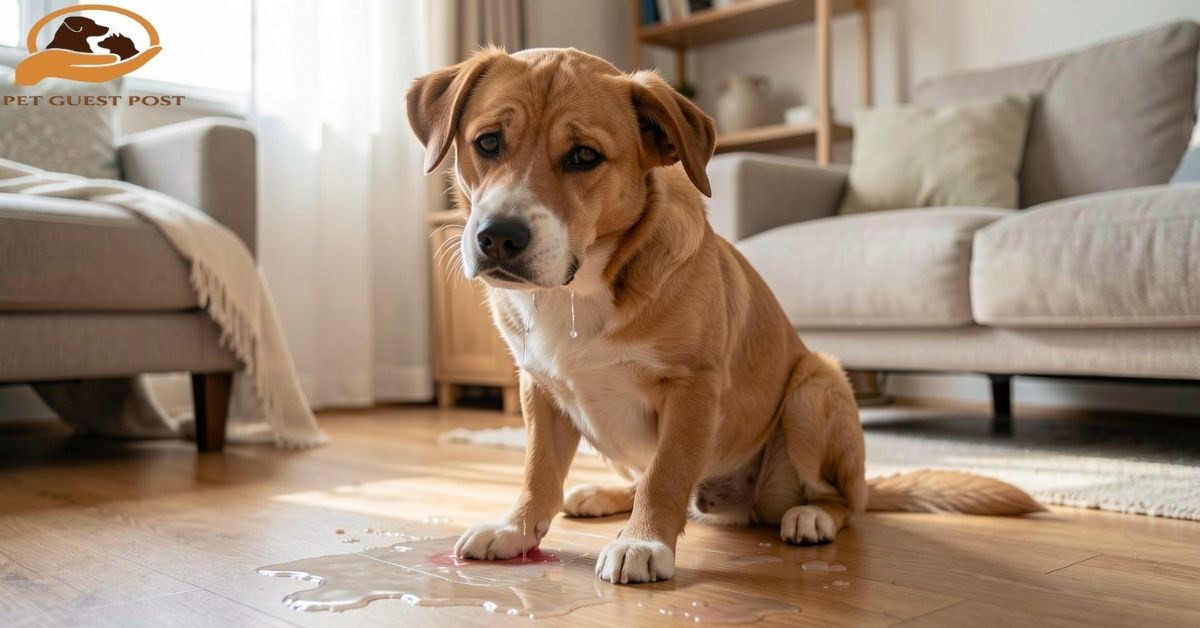
Few things worry pet owners more than watching their dog deal with vomiting and diarrhea. These symptoms can appear without warning and may range from a minor stomach upset to a more serious health concern. A single episode may not be cause for concern. However persistent symptoms often point to an underlying issue that needs medical attention.
Why Is My Dog Having Vomiting and Diarrhea?
Dogs get into things. That’s just who they are. One minute they’re your loyal companion, the next they’re eating something mysterious off the sidewalk. Vomiting and diarrhea in dogs often trace back to something they ate, but the causes go deeper than garbage-snacking.
Dog food allergies are one of the most underestimated culprits. If you recently switched your dog’s food or gave them a new treat, their gut may simply be rebelling. A sudden diet change irritates the digestive lining and triggers a dog upset stomach faster than you’d expect.
Intestinal parasites in dogs are another big one. Roundworms in dogs, hookworms in dogs, and giardia infection in dogs are shockingly common, especially in puppies or dogs who drink from puddles or shared water sources. You won’t always see worms in the stool. Often, you’ll just notice your dog looking dull, losing weight, or having chronic loose stools.
Then there’s the scary stuff. Parvovirus symptoms in dogs include severe vomiting, bloody diarrhea, and rapid deterioration. This is a life-threatening illness, particularly in unvaccinated puppies. Salmonella infection in dogs can also cause serious canine digestive problems, especially if your dog ate raw or spoiled meat.
Dog stress stomach problems are real too. Dogs feel anxiety, and their gut reflects it. A new baby in the house, a thunderstorm, a change in routine all of it can trigger dog gastrointestinal upset. Also worth noting: dog toxin ingestion, whether from a plant, household cleaner, or medication, can produce rapid vomiting as the body tries to expel the harmful substance.
Read More: Kennel Cough in Dogs: What Pet Parents Should Know This Summer
When Should You Be Concerned?
One vomit episode after eating grass? Probably fine. But there are signs that tell you this isn’t a “wait and see” situation.
Watch for blood in dog stool. Whether it’s bright red or a dark, tarry color, blood is never something to brush off. It signals inflammation, injury, or something more serious happening inside the gut.
Dehydration in dogs is another urgent sign. Check your dog’s gum color. Are they pale, tacky, or dry? Press the skin gently at the back of the neck. If it doesn’t spring back quickly, your dog may already be dehydrated. This matters because dehydration in dogs escalates fast, especially in small breeds or puppies.
Here are other warning signs that mean you should call your vet now:
- Vomiting more than three times in a few hours
- Diarrhea lasting more than 24 hours
- Lethargy or complete loss of energy
- Swollen or painful belly
- Suspected dog toxin ingestion
- Symptoms in a puppy or senior dog
Also, if your dog ate something potentially toxic, don’t wait to see what happens. Call your vet or a pet poison helpline right away. Time matters with dog toxin ingestion cases.
Diagnosing the Cause of Vomiting and Diarrhea
So you’ve brought your dog in. What happens next?
Your vet will start with a full physical exam and ask you a series of questions. What did your dog eat recently? Any access to garbage or unknown substances? Have they been around other dogs? These details help narrow things down quickly.
Fecal analysis for dogs is usually one of the first tests. This checks for intestinal parasites in dogs, bacterial overgrowth, and abnormal cells. It’s simple, but incredibly revealing. If dog parasite infection is suspected, a stool sample tells the whole story.
Blood work helps rule out dog bacterial infection, organ issues, and systemic illness. If parvovirus symptoms in dogs are present, a rapid parvo test gives results within minutes. X-rays or ultrasound may also be used if your vet suspects a blockage or something swallowed that shouldn’t have been.
The goal is always to find the root cause, not just treat the surface symptoms. A dog vomiting due to giardia needs a completely different approach than one reacting to dog food allergies.
How Treatment Helps Dogs Recover
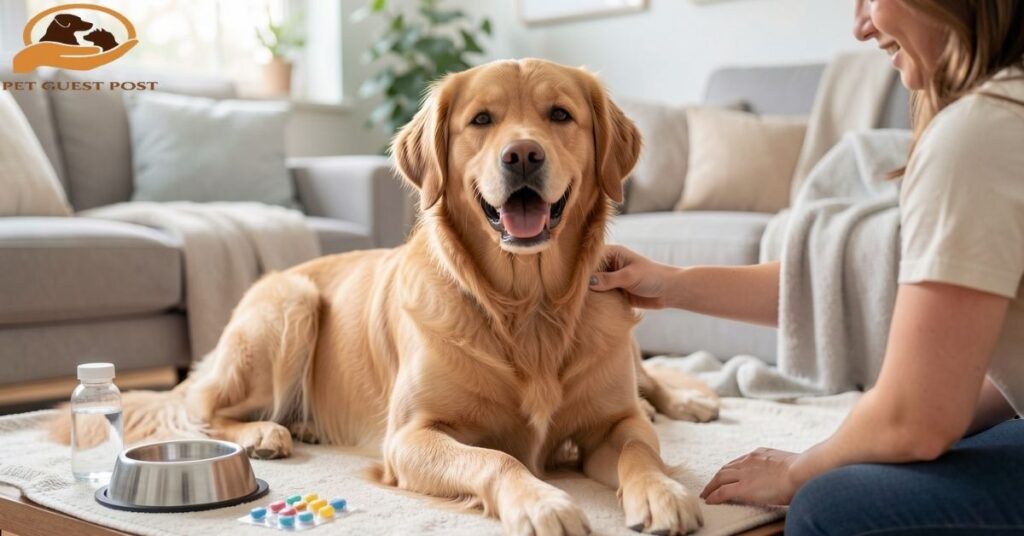
Treatment depends entirely on what’s causing the problem. That’s why diagnosis matters so much before jumping into solutions.
For mild dog stomach illness, your vet may recommend a bland diet for dogs with diarrhea. Think plain boiled chicken and white rice. Nothing fancy. Just easy-to-digest food that lets the gut calm down and reset.
Anti-nausea medication for dogs is commonly prescribed to stop the vomiting cycle and let your dog eat and drink again. This is important because a dog that can’t keep water down will deteriorate quickly. Fluid therapy for dogs is used in more serious cases, either through an IV at the clinic or subcutaneous fluids given under the skin. It rehydrates and stabilizes the dog while the underlying cause is addressed.
If your vet identifies intestinal parasites, deworming treatment for dogs will follow. This clears the parasites from the gut and, in most cases, brings dramatic improvement within days.
For dog bacterial infection cases like salmonella, antibiotics may be prescribed, though vets are careful about this since overuse leads to resistance. Severe cases of parvovirus require hospitalization, intensive fluid therapy for dogs, and supportive care around the clock.
The good news? Most dogs recover fully when treatment starts early.
How to Reduce the Risk of Vomiting and Diarrhea
Prevention isn’t glamorous, but it’s the smartest move you can make as a dog owner.
Keep vaccinations up to date. This is your single most powerful defense against serious illnesses like parvovirus. A simple annual shot does more for your dog’s health than almost anything else.
Switch foods gradually. If you’re changing your dog’s diet, do it over seven to ten days. Mix the old food with the new in increasing ratios. Abrupt changes are a leading cause of dog gastrointestinal upset and completely avoidable.
Limit access to garbage, dead animals, and standing water. Dogs don’t have the best judgment about what’s edible. You have to be their filter. This also reduces exposure to dog parasite infection and dog eating garbage symptoms significantly.
Schedule regular vet checkups that include fecal analysis for dogs. Parasites can live in the gut for weeks without obvious symptoms. Catching them early prevents a much bigger problem down the road.
Manage your dog’s stress. If you know a trigger is coming, like fireworks or a move, speak to your vet about calming strategies. Reducing dog stress stomach problems is genuinely possible with the right preparation.
FAQ’s
How do I know if my dog’s vomiting is an emergency?
If your dog vomits more than three times in a few hours, shows signs of dehydration, has blood in their vomit or stool, or seems extremely lethargic, it’s time to call the vet without delay.
Can dog diarrhea go away on its own?
Mild cases caused by a dietary indiscretion often resolve within 24 hours. However, if it persists beyond a day or keeps recurring, a vet visit is the right call.
What is a bland diet for a dog with diarrhea?
A simple bland diet consists of plain boiled chicken and plain white rice in a 1:3 ratio. It’s gentle on the stomach and helps firm up stools during recovery.
Is dog diarrhea contagious to humans?
Some causes, like salmonella infection in dogs or giardia infection in dogs, can technically be transmitted to humans. Always wash your hands thoroughly after handling a sick dog or cleaning up after them.
How quickly does deworming treatment work in dogs?
Most deworming medications begin working within 24 hours. Full clearance of the parasites can take a few days to a couple of weeks depending on the type and severity of the infestation.

Caleb Ford is pet enthusiast and content strategist who blends real-world pet care experience with digital expertise. He’s known for crafting reliable, research-based articles that inform and inspire pet owners. Caleb’s approach centers on transparency, compassion, and trust key pillars of authentic EEAT-driven storytelling in the pet industry.