
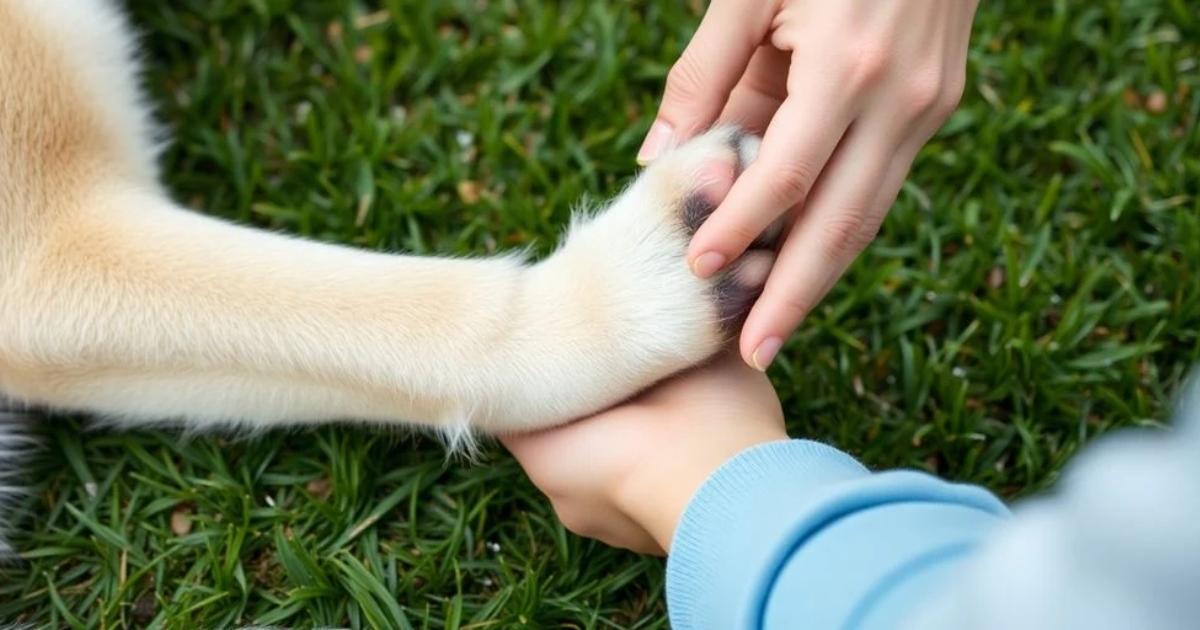
If your dog won’t stop licking their paws, you’ve probably Googled everything from “why does my dog chew their feet” to “is my dog going crazy?” You’re not alone. Millions of dog owners deal with this exact frustration, and more often than not, a dog yeast infection on the paw is the quiet culprit behind all that obsessive chewing, licking, and limping.
Here’s the thing, yeast infections on paws are incredibly common, but they’re also easy to miss at first. What starts as a little paw-licking habit can spiral into painful, inflamed pads, a strange musty smell, and some seriously uncomfortable moments for your pup. The good news? Once you know what you’re dealing with, treatment is very manageable.
What Is a Dog Paw Pad Yeast Infection?
A dog paw pad yeast infection happens when naturally occurring fungi on your dog’s skin multiply out of control. Under normal circumstances, yeast lives peacefully on canine skin without causing any problems. But when something tips the balance, moisture, allergies, a weakened immune system, that yeast population explodes, and your dog’s paws pay the price.
It’s not a rare or exotic condition. It’s actually one of the most frequently seen dermatological issues in veterinary clinics, especially in dogs with skin folds, allergies, or floppy ears. And while the paws aren’t the only place it shows up, they’re among the most affected areas because of how much moisture and warmth accumulates between the toes.
Read More: How Cold Is Too Cold for a Dog? Safe Winter Temperature Guide for Pet Owners
Understanding Yeast Overgrowth and Malassezia
The specific organism most often responsible for this condition is called Malassezia pachydermatis. It’s a lipid-dependent yeast that normally colonizes canine skin as part of the skin microbiome. In healthy dogs, the immune system and beneficial bacteria keep it in check. But when that natural balance is disrupted, Malassezia multiplies aggressively, leading to what’s clinically called Malassezia dermatitis or fungal dermatitis.
What makes this yeast particularly troublesome is that it thrives in warm, moist environments. The spaces between your dog’s toes are essentially a five-star resort for this organism, dark, warm, and often damp after walks through dewy grass or puddles. Once it overgrows, it triggers an inflammatory response in canine skin that causes the itching, redness, and skin changes you’ll notice.
Why Dog Paws Are Vulnerable to Fungal Infections
Think about everything your dog’s paws go through in a single day. They walk on hot pavement, wet grass, dirty floors, and everything in between. Moisture retention between toes is a major contributing factor to fungal overgrowth on canine skin. Dogs with dense or long fur between their paw pads trap even more moisture, creating the perfect breeding ground for yeast.
Dogs also naturally lick their paws. And while occasional licking is normal grooming behavior, excessive licking actually makes things worse. The saliva introduces more moisture, softens the skin, and can lead to skin barrier dysfunction, making it even easier for yeast and bacteria to take hold. It becomes a frustrating cycle that’s hard to break without addressing the root cause.
What Causes a Yeast Infection on a Dog’s Paw?
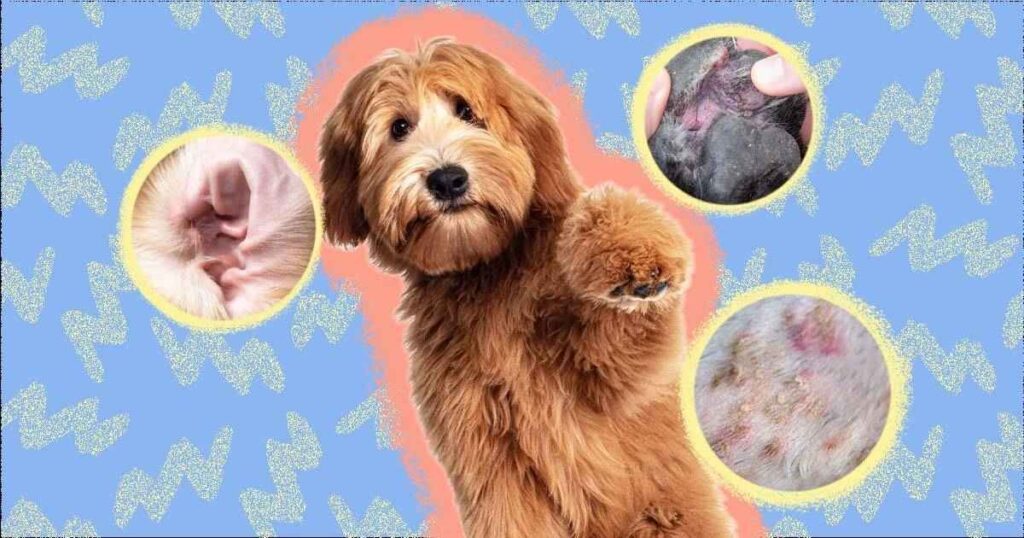
Understanding why your dog developed a dog yeast infection in the first place is crucial. Treatment without addressing the cause means the infection will keep coming back. Recurrent paw infections are one of the most common complaints vets hear, and almost always it’s because the underlying trigger was never resolved.
Environmental and Food Allergies
Allergies are the number one cause of chronic yeast infections in dogs. Both food allergy dog paw symptoms and environmental allergies in dogs can compromise the skin barrier, making it far easier for yeast to overgrow. When a dog’s immune system is busy reacting to something, pollen, dust mites, chicken, wheat, the skin becomes inflamed and more permissive to fungal colonization.
Canine allergy management is therefore a cornerstone of treating recurrent yeast issues. Dogs allergic to proteins like beef or dairy might show paw symptoms as a primary sign, often before any digestive upset. Environmental triggers like damp grass exposure risk are also real, dogs who walk through wet fields daily have consistently higher rates of interdigital dermatitis in dogs than those who don’t.
Moisture Exposure and Poor Paw Hygiene
This one seems obvious, but it’s underestimated by most pet owners. If your dog’s paws stay wet after walks, baths, or swimming and you don’t dry them thoroughly, you’re essentially setting the stage for a fungal infection. Moist dog paws infection is a direct result of moisture sitting undisturbed in the interdigital spaces for hours at a time.
Poor dog paw hygiene routines contribute significantly here. Skipping paw checks after walks, not trimming fur between the pads, and using the wrong products during bath time all add up. The paw fur trimming benefits are substantial, shorter fur dries faster and doesn’t trap as much debris or moisture. It’s a simple step that prevents a lot of grief.
Underlying Health Conditions and Immune Issues
Some dogs are simply more predisposed to yeast infections because of what’s happening inside their bodies. Hypothyroidism in dogs skin issues is a well-documented link, when thyroid function drops, skin health deteriorates and yeast populations tend to surge. Similarly, dogs with immune system problems, whether from autoimmune disease or immune-compromised status due to medication, are far more vulnerable to fungal overgrowth.
Managing underlying endocrine disorders is essential for these dogs. A dog whose thyroid is undertreated will keep getting skin and paw infections no matter how many antifungal baths you give them. Chronic skin conditions in dogs often have a hormonal or immunological thread running through them that needs veterinary attention, not just topical treatment.
Antibiotic Use and Microbiome Imbalance
Here’s something that surprises a lot of dog owners. Antibiotics, while necessary for bacterial infections, can actually trigger yeast overgrowth. Antibiotic-induced yeast overgrowth happens because the medications don’t distinguish between harmful bacteria and the beneficial bacteria that help regulate yeast populations. When the beneficial bacteria are wiped out, yeast fills the vacancy fast.
This is why canine skin microbiome imbalance is increasingly recognized as a precursor to fungal dermatitis. Probiotic supplements for dogs are now frequently recommended alongside antibiotics to help maintain that balance. It’s not a cure for an active infection, but it’s a smart preventative strategy, especially for dogs who’ve had yeast problems before.
Common Symptoms of a Dog Paw Yeast Infection
Spotting the signs early makes treatment so much easier. Some symptoms are obvious, others are subtle. Here’s what to look for.
Persistent Licking, Chewing, and Limping
The first thing most owners notice is that their dog cannot leave their paws alone. Dog chewing paws constantly is one of the most telling behavioral signs of a yeast infection. It’s not just annoying, it’s your dog telling you something hurts or itches intensely. And because the licking worsens the infection, it creates a loop that won’t resolve on its own.
Limping due to paw pain is another sign that the infection has progressed. If the inflammation is significant enough, walking becomes uncomfortable. You might notice your dog favoring one paw, walking oddly, or hesitating to put weight on a specific foot. At this stage, the infection is usually causing swollen dog paw pads and real tissue discomfort.
Redness, Swelling, and Brown Discoloration
Visually, an infected paw looks quite different from a healthy one. You’ll typically see inflamed dog paw pads that are redder than usual, along with paw pad swelling and redness around the nail beds and between the toes. Canine paw pad inflammation at this level is unmistakable once you know what you’re looking for.
Brown discoloration on paws is another hallmark sign. The brown or rust-colored staining between the toes comes from compounds called porphyrins, which are excreted in saliva and tears. When a dog licks the same area repeatedly, those porphyrins build up and stain the fur. If your light-colored dog suddenly has reddish-brown paws, excessive licking and likely a yeast infection is the culprit.
Musty Odor and Thickened Skin
One of the most distinctive features of a dog paw yeast infection is the smell. Yeast infection odor in dogs is often described as musty, corn-chip-like, or faintly sour. It’s not subtle once you’ve smelled it. If you notice a musty smell from dog paws that doesn’t go away after cleaning, that’s a significant red flag.
As the infection becomes chronic, scaly skin on dog paws and crusty paws in dogs become more pronounced. The skin can thicken, crack, and even develop a rough, leathery texture. This thickening, called lichenification, is the skin’s response to ongoing inflammation. It’s a sign that the infection has been present for a while and will likely need more intensive treatment to resolve.
How Veterinarians Diagnose Yeast Infections in Dogs
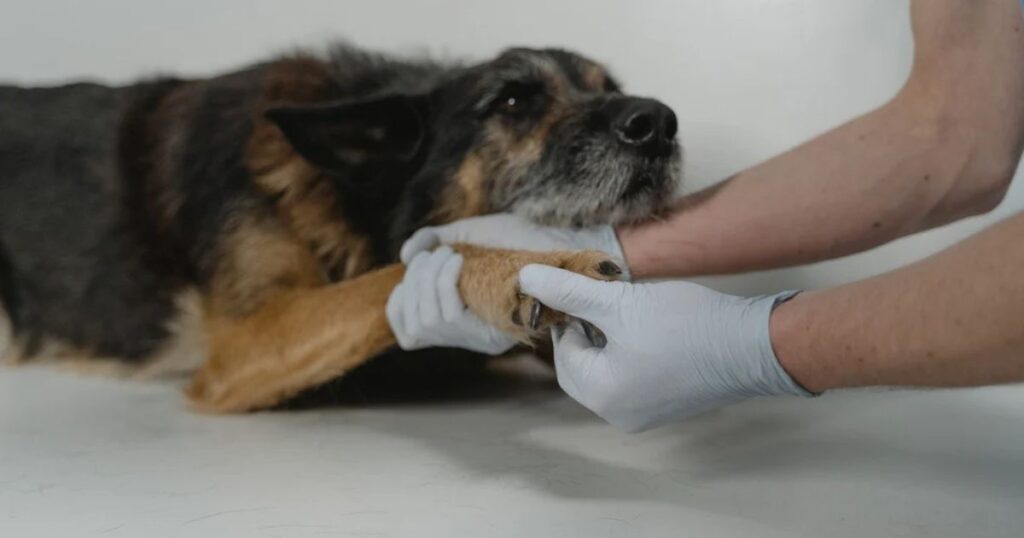
You might be pretty sure your dog has a yeast infection based on the symptoms, but getting a proper diagnosis matters. Other conditions, bacterial infections, mange, contact dermatitis, can look very similar, and the treatment differs significantly for each.
Physical Examination and Symptom Evaluation
During a veterinary diagnostic exam, your vet will start by looking closely at the affected paws and asking questions about your dog’s history. When did the licking start? Has your dog been on antibiotics recently? Any dietary changes? These details help build a complete picture. The veterinarian will assess paw pad irritation in dogs, look for swelling, discoloration, and discharge, and evaluate the overall condition of the skin.
Skin Scrapings, Swabs, and Microscopic Testing
To confirm the diagnosis, vets typically use a microscopic skin scraping test or a tape strip cytology. Skin scrapings, swabs, and microscopic testing allow the vet to look at the cells under a microscope and identify whether yeast organisms are present and in what quantity. Finding large numbers of Malassezia cells confirms the diagnosis. In more complex cases, a fungal culture testing may be performed to identify the exact species and determine the most effective antifungal treatment.
Identifying Underlying Allergies or Hormonal Conditions
A smart vet won’t just treat the infection and send you home. They’ll want to know why the infection happened. Canine allergy management often begins at this stage, allergy testing, elimination diets, or referrals to a veterinary dermatologist. If hypothyroidism or another endocrine issue is suspected, blood panels will be ordered. Addressing the root cause is what separates a one-time infection from a lifetime of recurring flare-ups.
Effective Treatments for Dog Paw Yeast Infections
Now for the part you’ve been waiting for, how to actually fix it. Treatment for a dog yeast infection on the paw depends on severity, how long it’s been going on, and whether there’s an underlying cause driving it.
Topical Antifungal Creams, Shampoos, and Paw Soaks
For mild to moderate infections, topical treatments are usually the first line of defense. An antifungal topical ointment applied directly to the affected paw pads can dramatically reduce yeast populations within a week or two of consistent use. Your vet will typically recommend products containing clotrimazole, miconazole, or ketoconazole, all proven antifungal agents for canine skin.
Antifungal shampoo for dogs is also highly effective, particularly when used as part of a regular bathing routine. The key is contact time, the shampoo needs to sit on the skin for at least five to ten minutes before rinsing to actually work. Rushed baths don’t get the job done. Medicated paw soaks for dogs using diluted chlorhexidine or apple cider vinegar solutions are another popular and effective approach. Soaking the affected paws for five to ten minutes a few times weekly helps disrupt the yeast’s environment and speeds up recovery.
Oral Medications for Severe or Recurring Infections
When the infection is deep, widespread, or keeps coming back despite topical care, oral antifungal medication for dogs is the next step. Veterinary-prescribed medication like fluconazole, itraconazole, or ketoconazole tablets work systemically to eliminate the yeast from the inside out. These medications can take several weeks to fully clear a stubborn infection, and it’s crucial to complete the entire course even if your dog seems better.
Anti-inflammatory medication for dogs is sometimes prescribed alongside antifungals to manage the itch and discomfort while the infection clears. Reducing the inflammation also breaks the licking cycle, which gives the skin a fighting chance to heal. In some cases, a secondary bacterial infection develops alongside the yeast, requiring antibiotics as well, though this needs to be balanced carefully given the microbiome implications mentioned earlier.
Dietary Changes and Allergy Management Strategies
If food allergies are driving the yeast infections, switching to a hypoallergenic dog diet is often transformational. A novel protein diet, using a protein source your dog has never eaten before, like venison, duck, or rabbit, can identify and eliminate the dietary trigger. This isn’t a quick fix; it typically takes eight to twelve weeks to see full results, but it’s one of the most impactful long-term strategies available.
Probiotic supplements for dogs help restore the canine skin microbiome balance and support gut health, which directly influences immune function and skin resilience. Omega-3 fatty acid supplements are also beneficial for strengthening the skin barrier and reducing the inflammatory response in canine skin that makes yeast infections more likely. Combining dietary changes with consistent paw hygiene and appropriate veterinary treatment gives your dog the best shot at staying infection-free long term.
FAQ’s
Can I treat my dog’s paw yeast infection at home?
Mild infections can sometimes be managed with antifungal shampoos and medicated paw soaks, but it’s always best to confirm the diagnosis with a vet first to rule out bacterial infections or other conditions that need different treatment.
How long does a dog paw yeast infection take to clear up?
With consistent treatment, most mild infections improve within two to three weeks. Severe or recurring cases may take several weeks of oral antifungal medication and addressing the underlying cause.
Is a yeast infection on dog paws contagious to humans or other pets?
Malassezia pachydermatis is generally not considered contagious to humans or other dogs. It’s an opportunistic organism that overgrows when conditions on the individual dog’s skin are favorable, not something that spreads like a typical contagion.
What foods trigger yeast infections in dogs?
Common dietary triggers include beef, chicken, dairy, wheat, and corn. An elimination diet using a hypoallergenic or novel protein source helps identify which specific ingredient is causing the problem.
How can I prevent yeast infections from coming back?
Regular paw drying after walks, routine paw fur trimming, antifungal shampoo baths, a balanced diet, and treating any underlying allergies or hormonal conditions are the most effective preventative measures for keeping recurrent infections at bay.

Caleb Ford is pet enthusiast and content strategist who blends real-world pet care experience with digital expertise. He’s known for crafting reliable, research-based articles that inform and inspire pet owners. Caleb’s approach centers on transparency, compassion, and trust key pillars of authentic EEAT-driven storytelling in the pet industry.