
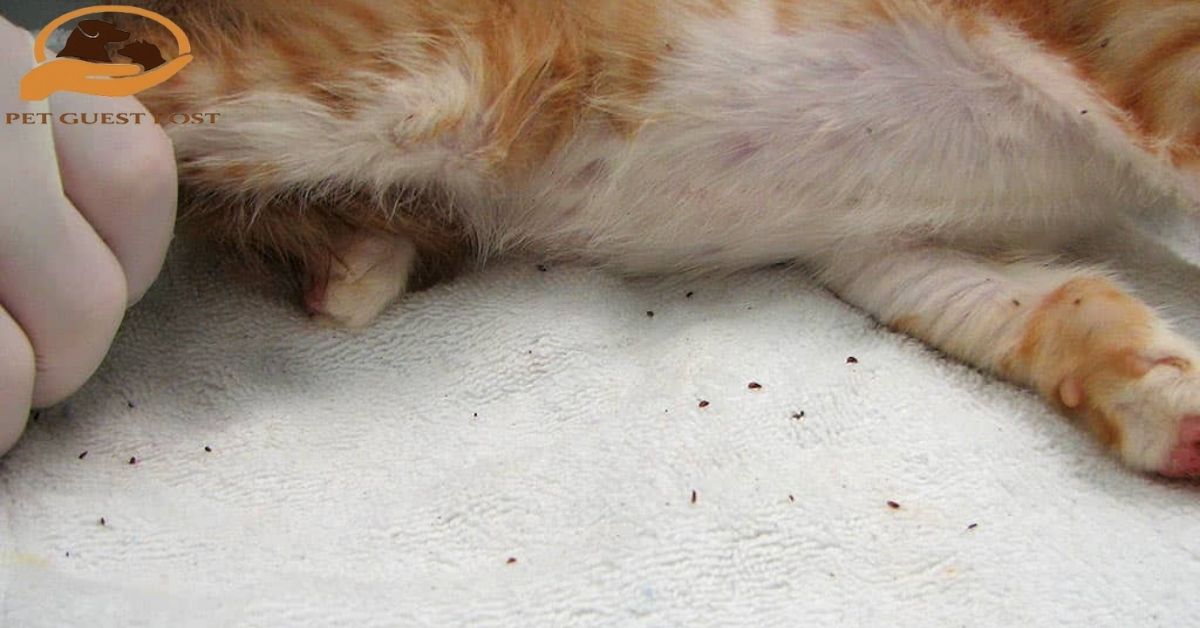
You notice your cat scratching more than usual. Maybe they’re biting at the base of their tail or shaking their head like something’s irritating them. You part the fur to take a look, and there it is, tiny dark specks moving through the coat. Or maybe nothing at all, and you’re still left wondering. That uncertainty is exactly why so many cat owners feel frustrated when it comes to fleas.
Here’s the truth: fleas on cats are more than just an itchy nuisance. They cause real harm, spread fast, and can take over your home before you even realize it. Whether your cat goes outside or stays strictly indoors, no feline is completely safe from these relentless little parasites. This guide breaks down everything you need to know, signs, health risks, treatment options, and how to stop fleas from coming back.
What Fleas Do to Your Cat?
Fleas don’t just bite and move on. They feed on your cat’s blood multiple times a day. A single flea can bite dozens of times within hours. Multiply that by a handful of fleas, or an entire infestation, and your cat is dealing with constant irritation, discomfort, and potentially serious health consequences.
What makes fleas particularly tricky is that they don’t always make themselves obvious. Cats are meticulous groomers, and they often swallow fleas before you ever spot them. That means the signs of flea infestation in cats can be subtle at first. You have to know what to look for.
Common Symptoms of Flea Infestation
The most recognizable sign is excessive scratching. Your cat may scratch around the neck, behind the ears, along the back, or at the base of the tail. These are prime feeding spots for fleas. Cat scratching from fleas often comes with restlessness, frequent grooming, and visible skin irritation.
Another telltale indicator is flea dirt in cat fur. This looks like tiny black or dark brown specks scattered through the coat. It’s actually flea feces, digested blood. A simple test: place some specks on a damp white tissue. If they turn reddish-brown, it’s flea dirt, not regular debris.
You might also notice hair loss, especially around the tail and lower back. Cat skin irritation from fleas can lead to red, raw patches. Some cats develop small scabs or crusty bumps called miliary dermatitis, a classic skin response to flea activity. If your cat seems restless, lethargic, or is grooming compulsively, take those as warning signs worth investigating.
Read More: Pyometra in Dogs: Causes, Symptoms, and When to Call Your Vet
Health Risks Associated with Fleas
This is where things get more serious. Flea-related health risks in cats go well beyond surface-level discomfort. One of the most common complications is flea allergy dermatitis in cats, where the cat reacts not to the bite itself but to the flea’s saliva. A single bite triggers an intense allergic response. The resulting inflammation, itching, and secondary infections can take weeks to resolve.
Fleas also transmit tapeworms. When a cat grooms itself and swallows an infected flea, the tapeworm larva completes its cycle inside the cat’s intestines. You may notice small white segments near your cat’s tail or in their bedding. It’s unpleasant to think about, but it’s a real and common outcome of untreated infestations.
Young kittens face the greatest danger. A heavy flea burden can cause anemia from blood loss alone. Pale gums, weakness, and rapid breathing in a kitten are emergency signs. Don’t wait and see, get veterinary care immediately.
How Cats Get Fleas
A lot of cat owners assume that indoor cats are immune to fleas. They’re not. Fleas are opportunistic and incredibly resourceful. Understanding how your cat gets exposed is the first step toward genuine flea prevention.
Common Sources of Flea Exposure
The most obvious route is contact with other animals, a neighbor’s dog, a stray cat in the yard, or a pet that goes in and out of the house. Fleas jump from host to host with ease, and a single infected animal nearby is enough to start a problem.
But here’s what surprises most people: you can bring fleas in yourself. Flea eggs and larvae hitchhike on clothing, shoes, and bags. If you’ve been in a park, someone else’s home, or anywhere with animals, you may have unknowingly carried them back. That’s how an indoor cat flea problem develops even when the cat never steps outside.
Used furniture, secondhand pet beds, and new rugs can also harbor dormant flea pupae. These can survive for months without a host and hatch the moment conditions are right. Warm, humid environments accelerate the process.
The Flea Life Cycle
Understanding flea life cycle stages helps explain why eliminating fleas is rarely a one-step process. There are four stages: egg, larva, pupa, and adult. Adult fleas live on your cat. They lay eggs, up to 50 per day, which fall off into your carpet, furniture, and bedding.
Those eggs hatch into larvae that feed on organic debris in your home. Larvae spin cocoons and become pupae. The pupal stage is the most resistant phase. Pupae can lie dormant for months, protected from insecticides by their casing. They only emerge when triggered by warmth, vibration, or carbon dioxide from a nearby host.
This is why you might treat your cat and think the problem is solved, only to see fleas reappear two weeks later. The lifecycle is the reason environmental treatment is just as important as treating your pet.
What to Expect from Your Veterinarian
If you suspect a flea infestation, seeing your vet is the smartest move you can make. Over-the-counter products are often ineffective and occasionally unsafe. A veterinarian brings accuracy and appropriate treatment to the situation in ways a grocery store shelf simply cannot.
Diagnosis and Assessment
Your vet will examine your cat’s coat closely, often using a fine-toothed flea comb to check for live fleas or flea dirt. They’ll assess skin condition, look for signs of flea allergy dermatitis, and check for secondary bacterial infections that sometimes develop from excessive scratching.
They may also check for tapeworms during this visit, since a flea infestation and tapeworm exposure often go hand in hand. In kittens or cats showing fatigue, a quick blood check may be recommended to rule out anemia.
Prescription Flea Treatments
Vet-recommended flea treatments are substantially more effective than most retail options. Your vet might prescribe a topical flea treatment for cats applied to the skin at the back of the neck. These products are absorbed systemically and kill fleas on contact or through the bloodstream.
Oral flea medication for cats is another option growing in popularity. These fast-acting tablets kill adult fleas within hours and are particularly useful during active infestations. Some oral medications also disrupt the flea’s reproductive cycle, reducing reinfestation risk.
Flea treatment for kittens requires extra caution. Many products are not safe for young or small cats. Your vet will guide you on age-appropriate, weight-appropriate options so treatment doesn’t add new risks.
The Role of Environmental Control
Treating your cat without treating your home is like mopping the floor while the tap is still running. The majority of fleas at any given time are not on your cat. They’re in your environment, in the carpet fibers, along the baseboards, in your pet’s favorite resting spots.
Cleaning the Home
Home flea control methods start with a thorough vacuuming. Vacuum every carpeted area, every rug, every upholstered surface, and every corner of the rooms your cat frequents. Do this daily during an active infestation. The vibration from vacuuming actually triggers dormant pupae to hatch, bringing them into contact with treatments faster.
Wash all pet bedding in hot water and dry on high heat. Repeat weekly during treatment. Use a veterinarian-approved flea spray or fogger in heavily affected areas, following instructions carefully. Pay close attention to areas under furniture where flea larvae tend to hide.
Flea infestation spreading in home is a real concern once it takes hold. Cleaning the home to remove fleas takes consistency over weeks, not just a single session. Stick with it.
Yard Maintenance
If your cat spends any time outdoors, the yard is a secondary battleground. Fleas thrive in shaded, humid areas, under bushes, in leaf piles, near the base of fences. Keep grass trimmed short. Remove leaf litter and debris where fleas lay low.
If the infestation is significant, outdoor flea treatments are available. Look for pet-safe yard sprays, and consider timing applications for warm, dry days when the product can work most effectively. Wildlife like rabbits or raccoons that pass through your yard can reintroduce fleas, so consistent maintenance matters.
Prevention Is an Ongoing Process
Here’s something worth saying plainly: flea prevention is not a one-time event. It’s an ongoing habit. Many cat owners let their guard down once the fleas are gone, only to deal with the same problem months later. Staying ahead of fleas is far easier than managing a full infestation.
Monthly Flea Protection
Monthly flea protection is the standard of care recommended by most veterinarians. Whether you use a topical application or an oral preventive, consistency is key. Set a reminder on your phone. Mark the calendar. Don’t skip months just because things seem fine on the surface.
Flea control for cats works best when it’s maintained year-round. In warm climates, fleas are active in every season. Even in cooler regions, heated indoor environments keep fleas viable through winter. Year-round prevention removes the seasonal guesswork entirely.
Regular Veterinary Checkups
Routine visits to your vet serve as a consistent checkpoint for flea control. Your vet can assess whether your current prevention method is still working, recommend product updates as your cat ages, and catch early signs of reinfestation before it spirals.
Veterinarian flea treatment options also evolve. New products come to market regularly, and your vet stays current with what’s safest and most effective for your cat’s age, weight, and health status. An annual or biannual checkup keeps you aligned with the best available options.
Flea Awareness for Pet Owners
Being flea-aware means staying observant even when things seem fine. Check your cat’s coat regularly, especially after they’ve been near other animals or spent time outdoors. Know what flea dirt looks like. Keep a flea comb on hand and run it through the fur once a month.
If you have multiple pets, treat all of them simultaneously. Treating one animal while others go untreated creates a cycle that never fully breaks. Fleas in household pets transfer rapidly between animals, so a whole-home, all-pet approach is the only approach that truly works.
Stay connected with other pet owners in your area too. Local flea activity can spike seasonally, and community awareness gives you early warning before a neighborhood problem reaches your home.
FAQ’s
Can indoor cats get fleas?
Yes, absolutely. Fleas can enter your home through clothing, shoes, or other pets, meaning even a strictly indoor cat can develop an infestation without ever stepping outside.
How quickly can a flea infestation spread?
Very quickly. A single female flea can lay up to 50 eggs per day, and within weeks an untreated infestation can spread throughout your entire home environment.
Is flea dirt dangerous for cats?
Flea dirt itself isn’t directly harmful, but its presence confirms active flea feeding, which carries real risks including anemia, tapeworms, and flea allergy dermatitis over time.
What is the fastest way to get rid of fleas on a cat?
Oral flea medications prescribed by a vet act the fastest, often killing adult fleas within hours, but full elimination requires treating your home environment at the same time.
Are natural flea remedies effective for cats?
Most natural remedies lack the scientific backing and efficacy of veterinarian-prescribed treatments, and some essential oils commonly used in DIY remedies are actually toxic to cats.

Caleb Ford is pet enthusiast and content strategist who blends real-world pet care experience with digital expertise. He’s known for crafting reliable, research-based articles that inform and inspire pet owners. Caleb’s approach centers on transparency, compassion, and trust key pillars of authentic EEAT-driven storytelling in the pet industry.