
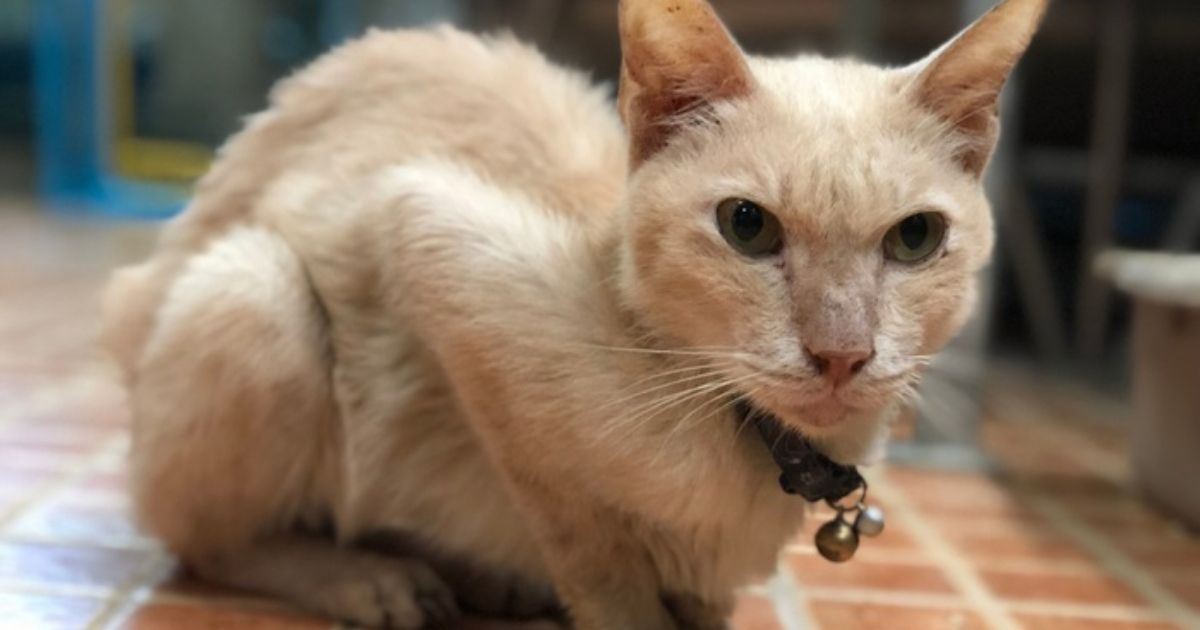
You noticed something off with your cat. Loose, greasy stools. Maybe some vomiting. Your cat seems tired, a little thinner than usual. You’ve checked for worms, changed the food, tried everything. But nothing’s improving. Sound familiar? There’s a good chance Giardia is the culprit, and most cat owners have never even heard of it.
Giardia in cats is one of those quietly common problems that flies under the radar. It’s not a worm. It’s not a bacterium. It’s a microscopic parasite that latches onto your cat’s small intestine and quietly disrupts everything. And the tricky part? Some cats show zero symptoms while still spreading it to others.
This guide breaks down everything you need to know, from what Giardia actually is, to how your cat picks it up, how vets diagnose it, and what you can do right now to protect your cat and your household.
What is Giardia in Cats?
Most people picture worms when they think about intestinal parasites in cats. Giardia is something else entirely. It’s a single-celled protozoan parasite, microscopic, invisible to the naked eye, and surprisingly resilient in the environment. It’s not dramatic in the way roundworms are, but its impact on your cat’s digestive health can be significant, especially in young or vulnerable animals.
Giardia doesn’t behave like a traditional parasite. It doesn’t live in the bloodstream or burrow through tissue. Instead, it parks itself in the lining of the small intestine, interfering with how nutrients get absorbed. That’s what causes the characteristic greasy, pale, foul-smelling diarrhea you might see in an infected cat.
Understanding Giardia duodenalis and Its Forms
The species responsible for feline infection is Giardia duodenalis, also called Giardia intestinalis or Giardia lamblia depending on which textbook you’re reading. It exists in two distinct forms, and understanding both helps explain why this parasite is so hard to eliminate.
The first form is the trophozoite. This is the active, feeding stage. Trophozoites attach to the intestinal wall using a suction-disc structure and absorb nutrients directly from your cat’s gut. They’re fragile outside the body, they can’t survive long in open air or dry conditions.
The second form is the cyst. This is the infectious, dormant stage. When trophozoites travel through the digestive tract and exit via feces, they transform into hardy cysts. These cysts can survive for weeks in moist environments. They’re what makes Giardia so contagious and so difficult to fully eradicate from a household.
Also Read: Dog Yeast Infection on Paw: Signs, Causes, and How to Treat It Fast
How Giardia Differs from Intestinal Worms
Here’s where people get confused. Intestinal worms like roundworms or tapeworms are visible. You might spot them in your cat’s stool or around the rear end. Giardia? Completely invisible. No egg segments, no writhing strands. Nothing you’d ever notice without a microscope.
Worms are helminths, multicellular organisms with defined body structures. Giardia is a protozoan, meaning it’s a single-celled organism in a completely different biological category. This difference matters because treatments for worms don’t work on Giardia. Using a standard dewormer won’t touch it. That’s why accurate diagnosis is so critical before you start any treatment.
How Cats Contract Giardia
Your cat doesn’t need to travel far or do anything particularly unusual to pick up Giardia. The transmission routes are surprisingly mundane, which is part of why infections are so common.
Fecal-Oral Transmission Explained
The primary route is fecal-oral transmission. That phrase sounds clinical, but the reality is simple: your cat ingests cysts that came from infected feces. It could happen during grooming after walking through a contaminated area. It could happen when a cat sniffs or investigates another cat’s litter box. It could even happen when a cat drinks from a puddle outside.
It takes a remarkably small number of cysts to cause infection. We’re talking about ingesting as few as ten cysts to establish an active infection in some cases. That’s an almost invisible quantity. One contaminated surface. One infected water source. That’s all it takes.
Common Sources of Contamination
Contaminated water sources are a major concern, especially for outdoor cats. Streams, puddles, communal water bowls, all potential reservoirs. In shelter environments, shared food and water dishes that aren’t thoroughly sanitized between uses create ideal transmission conditions.
Contaminated soil is another underappreciated source. Cats that dig in areas where infected animals have defecated can pick up cysts on their paws and transfer them during grooming. In multi-cat households, a single infected cat sheds millions of cysts daily, contaminating litter boxes and surrounding surfaces rapidly.
Signs and Symptoms of Giardia in Cats
Not every infected cat looks sick. That’s what makes Giardia particularly tricky. The range of clinical presentation goes from completely asymptomatic to noticeably unwell, and everything in between.
Digestive Issues: Diarrhea, Vomiting, and Weight Loss
The most recognized symptom is diarrhea, but it’s a specific kind. Giardia-associated diarrhea tends to be soft, greasy, pale, and particularly odorous. It may have a mucousy quality. Unlike diarrhea from food intolerance, Giardia diarrhea often persists or recurs without a clear pattern.
Vomiting can accompany the diarrhea, though it’s not always present. Weight loss follows logically from the infection because trophozoites in the intestines impair nutrient absorption. Your cat may be eating normally but still losing condition. This is small intestine irritation at work, the gut lining can’t do its job properly when parasites are disrupting the absorptive surface.
Lethargy is another symptom worth noting. A Giardia-infected cat might be less playful, sleep more than usual, and show general signs of feeling unwell. Dehydration can develop quickly in severe cases, particularly in kittens and older cats, because persistent diarrhea depletes fluids and electrolytes faster than the body can replace them.
Subclinical Infections and Silent Carriers
Here’s the part that surprises many cat owners. Some cats carry Giardia and show absolutely no symptoms. These subclinical Giardia carriers are walking cyst factories, continuously shedding into the environment while appearing perfectly healthy.
This matters enormously in multi-cat households. If one cat is a silent carrier, other cats, particularly younger or less robust ones, can become infected without any obvious source of illness. Regular fecal testing, even in healthy-looking cats, is genuinely important for this reason.
Diagnosing Giardia in Cats
This is where a lot of people run into frustration. Giardia isn’t always easy to detect, and a single negative fecal test doesn’t definitively rule it out. Understanding the diagnostic options helps you advocate more effectively for your cat at the vet.
Fecal Microscopy, Antigen Testing, and PCR
The traditional approach is fecal microscopy, specifically a zinc sulfate flotation technique. A vet examines a prepared stool sample under a microscope, looking for Giardia cysts. It’s inexpensive and widely available, but it has limitations. Cysts aren’t shed consistently in every stool sample, so you can get a false negative even in an infected cat.
Fecal antigen testing improves detection accuracy. This method identifies specific Giardia proteins in the stool rather than looking for cysts visually. It’s more sensitive than microscopy alone and is now commonly used in veterinary practice as a frontline diagnostic tool.
PCR parasite detection represents the most sensitive option available. Polymerase chain reaction testing can identify Giardia DNA in a fecal sample with impressive accuracy, even when cyst levels are low. It can also differentiate between Giardia assemblages, which matters when considering zoonotic risk (more on that shortly). Vets may recommend running multiple tests, or testing on consecutive days, to improve diagnostic confidence when Giardia is suspected but initial results are negative.
Treating Giardia in Cats
Good news: Giardia is treatable. With the right medications and supportive care, most cats recover fully. The key is completing the full treatment course and addressing environmental contamination simultaneously.
Fenbendazole, Metronidazole, and Combination Therapy
The two most commonly prescribed medications are fenbendazole and metronidazole. Fenbendazole treatment is typically given daily for three to five days. It disrupts the parasite’s ability to maintain its cytoskeletal structure, essentially dismantling Giardia from the inside out. It’s generally well-tolerated in cats, though some animals experience mild digestive upset.
Metronidazole therapy works differently. It’s an antiprotozoal and antibiotic that interferes with DNA synthesis in the parasite. Vets have used it for decades against Giardia, though resistance has been noted in some cases. It’s often prescribed for five to seven days.
In cases that don’t respond to either medication alone, combination therapy using both fenbendazole and metronidazole together may be recommended. Some vets use this approach as a first-line strategy for confirmed infections, particularly in kittens or high-burden cases. Always follow your vet’s specific dosing instructions. Never self-medicate, metronidazole at incorrect doses can cause neurological side effects in cats.
Supportive Care: Diet, Hydration, and Recovery
Medication clears the parasite, but your cat’s gut needs time to heal. Cat dehydration management is an important part of recovery. Ensure your cat has constant access to fresh water. In cases of significant dehydration, your vet may recommend subcutaneous or IV fluids.
Diet matters too. A bland, highly digestible diet during treatment helps reduce intestinal inflammation and supports recovery of the absorptive lining. Some vets recommend a probiotic supplement to help restore healthy gut flora after treatment, since both the infection and the medications can disrupt the intestinal microbiome. Keep monitoring stool quality after treatment ends, and schedule a follow-up fecal test to confirm the infection has cleared.
Preventing Giardia in Cats
Prevention isn’t complicated, but it does require consistency. The goal is to reduce your cat’s exposure to cysts while maintaining an environment where those cysts can’t accumulate.
Home Hygiene and Litter Box Practices
Litter box hygiene is your first line of defence. Scoop daily. Wash the litter box thoroughly with hot water and a pet-safe disinfectant at least once a week. Giardia cysts are killed by diluted bleach (one part bleach to 32 parts water) or steam cleaning. Quaternary ammonium compounds found in some household disinfectants are also effective.
Avoid using litter boxes that are difficult to clean, like those with rough or porous plastic surfaces where cysts can hide in scratches. Replace the litter box itself every few months if you have a cat that has had Giardia, rather than trying to disinfect an older, scratched container.
Multi-Cat Household Strategies
In a multi-cat household, one infected cat can quickly expose all others. If one cat is diagnosed, treat all cats simultaneously even if others appear healthy. This is particularly important because subclinical carriers won’t show obvious signs but will keep recontaminating the environment.
Provide separate litter boxes for each cat, the standard recommendation is one per cat plus one extra. Disinfect all litter boxes at the same time during treatment. Wash all bedding, soft toys, and cat accessories that could harbor cysts. Consider temporarily isolating the diagnosed cat during the acute phase of infection to reduce environmental spread.
Risk Factors for Giardia Infection
Some cats are more vulnerable than others. Understanding risk factors helps you decide how proactive to be with testing and prevention.
Kittens, Senior Cats, and Immunocompromised Felines
High-risk kittens and seniors sit at opposite ends of the life spectrum but share one vulnerability: a less robust immune system. Kittens haven’t yet developed the immunological defenses to combat protozoan infections effectively. Senior cats may have age-related immune decline or concurrent health conditions that reduce their ability to fight off parasites.
Immunocompromised cats, whether from FIV, FeLV, long-term steroid use, or other conditions, are particularly susceptible to severe Giardia infections. In these cats, the infection can be more persistent, more debilitating, and harder to clear. If your cat falls into any of these categories, regular preventive veterinary care and routine fecal screening are genuinely worth the effort.
Shelter and Rescue Cat Environments
Shelter cat disease risk is well-documented. Crowded conditions, high cat turnover, shared spaces, and the stress of confinement all create ideal conditions for Giardia to spread. A 2019 study found Giardia prevalence rates in shelter cats significantly higher than in pet cats living in private homes.
If you’re adopting a rescue or shelter cat, request fecal testing before bringing them home. Even if the cat appears healthy, a baseline fecal exam is a sensible precaution, especially if you have other cats or young children in the household.
Can Humans Get Giardia from Cats?
This is the question most cat owners eventually ask. The honest answer is: it’s possible but not as likely as you might fear.
Strain-Specific Risks and Precautions
Giardia duodenalis is actually a species complex made up of distinct genetic groups called assemblages. Humans are primarily infected by assemblages A and B. Cats are most commonly infected by assemblage F, which appears to have low zoonotic potential, meaning it doesn’t readily jump from cats to people.
However, cats can occasionally carry assemblage A, which is the strain most associated with human infection. This is why the risk isn’t zero, even if it’s low. Immunocompromised people, young children, and elderly individuals should be especially cautious. Wash hands thoroughly after handling litter boxes or cleaning up after a Giardia-positive cat. Don’t let infected cats drink from shared water bowls that people also use.
Good hygiene practices are the most effective protection. You don’t need to panic, but you do need to be sensible.
Recurrent Infections and Environmental Management
One of the most frustrating aspects of Giardia is reinfection. Your cat finishes treatment, the symptoms clear up, and then a few weeks later everything comes back. Sound familiar? This usually isn’t treatment failure. It’s environmental contamination doing what it does best.
Cleaning and Disinfection Tips to Prevent Reinfection
Recurrent Giardia infections are almost always tied to inadequate environmental decontamination during or after treatment. Treating the cat without treating the environment is like bailing water from a boat without plugging the hole.
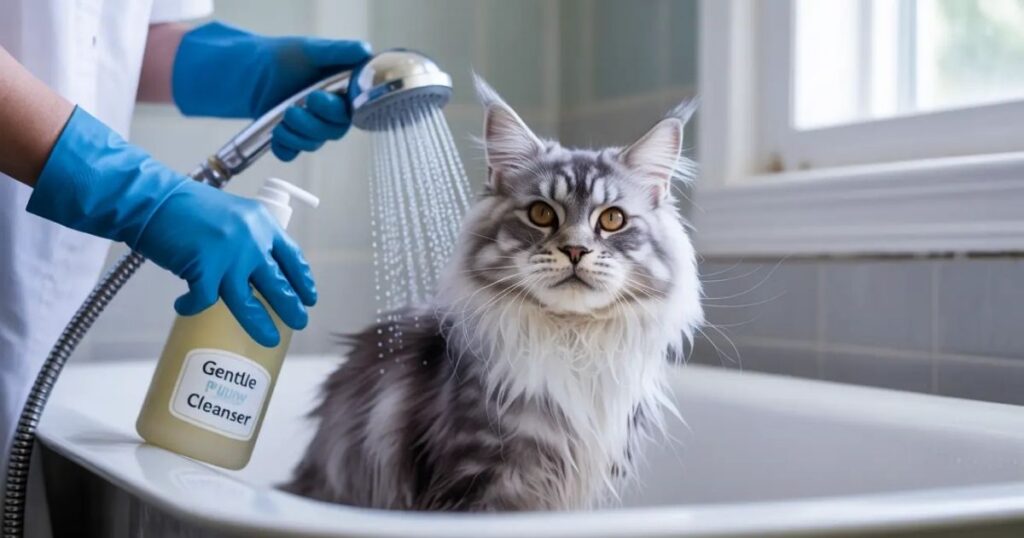
During the last day or two of treatment, give your cat a thorough bath to remove cysts from the coat and paws. This step is often overlooked. Simultaneously, deep-clean the entire home environment. Hard floors, tiles, and washable surfaces should be cleaned with diluted bleach. Steam cleaning is highly effective on carpets and upholstery since high heat destroys cysts.
Wash all bedding, blankets, and soft toys at the highest temperature appropriate for the fabric. If weather permits, placing items outside in direct sunlight also helps, since UV exposure degrades cysts over time. After cleaning, keep the environment dry where possible. Giardia cysts need moisture to survive. Good ventilation, low humidity, and dry surfaces all work against them.
Why Prompt Veterinary Care Matters
It’s tempting to wait and see when your cat has a few days of loose stools. Maybe it’s just something they ate. Maybe it’ll pass. But with Giardia, delay often means prolonged suffering, greater environmental contamination, and higher risk of spreading infection to other pets or household members.
Ensuring Accurate Diagnosis and Effective Treatment
Self-diagnosing based on symptoms alone isn’t reliable. Diarrhea in cats has dozens of potential causes, dietary intolerance, other parasites, inflammatory bowel disease, pancreatitis, bacterial infections. Treating for Giardia without confirmation wastes time, may cause unnecessary side effects, and misses the actual problem.
A vet can run the right tests, confirm the diagnosis, and prescribe the appropriate treatment at the correct dose for your cat’s weight and health status. They can also identify concurrent issues, many Giardia-positive cats have co-infections or secondary conditions that need separate treatment. Following up with a post-treatment fecal test ensures the infection has actually cleared and not just temporarily subsided.
Prompt veterinary care also means catching the infection before significant weight loss or dehydration sets in, particularly in high-risk individuals like kittens and senior cats. The sooner you act, the smoother the recovery tends to be.
FAQ’s
How do I know if my cat has Giardia?
The most common signs include persistent soft or greasy diarrhea, vomiting, and gradual weight loss, but a definitive diagnosis requires fecal testing by a veterinarian.
Can indoor cats get Giardia?
Yes. Indoor cats can contract Giardia through contact with contaminated litter boxes, infected housemates, or even items brought in from outside.
How long does Giardia treatment take in cats?
Most treatment protocols last between three to seven days, though follow-up fecal testing is recommended to confirm full clearance of the infection.
Is Giardia contagious between cats?
Absolutely. Giardia spreads easily between cats through fecal-oral contact, making litter box hygiene and simultaneous treatment of all household cats essential.
Can Giardia in cats resolve on its own?
In some healthy adult cats with strong immune systems, mild infections may resolve without treatment, but veterinary intervention is always recommended to prevent prolonged illness and environmental spread.

Caleb Ford is pet enthusiast and content strategist who blends real-world pet care experience with digital expertise. He’s known for crafting reliable, research-based articles that inform and inspire pet owners. Caleb’s approach centers on transparency, compassion, and trust key pillars of authentic EEAT-driven storytelling in the pet industry.