
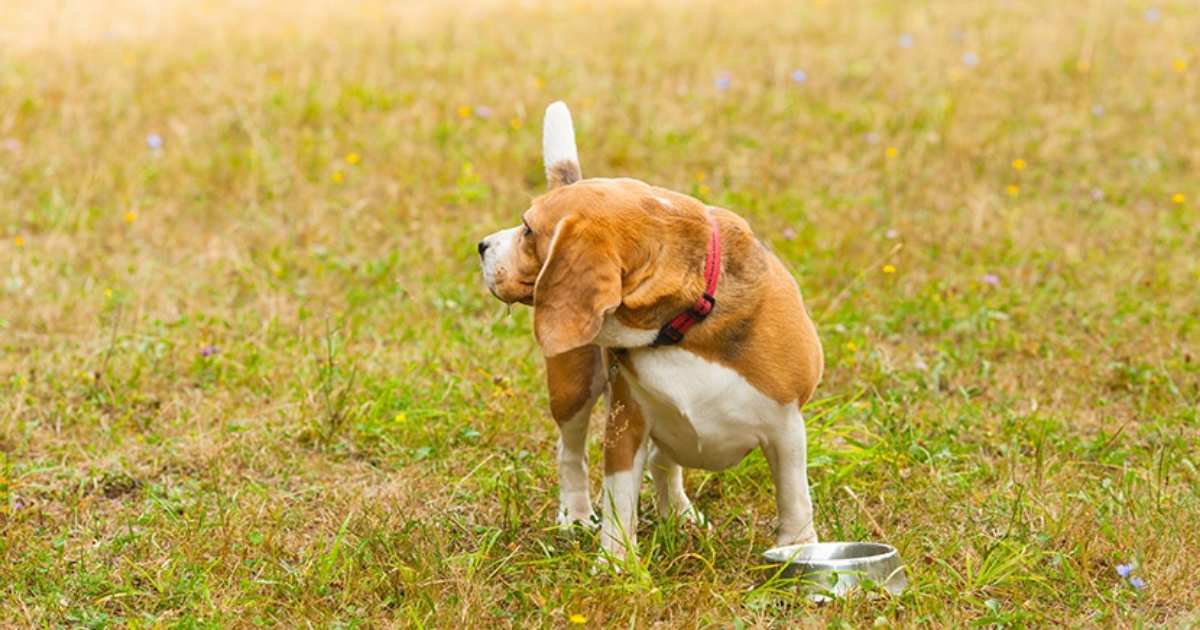
You walk into the room and spot it on the floor. Loose stool. Maybe watery. Maybe streaked with mucus. Your dog looks fine. Or maybe a little off. Suddenly you’re thinking, why is my dog having diarrhea and should I panic?
Take a breath.
Diarrhea in dogs is common. Most cases are mild and resolve quickly. However, some signal deeper digestive problems in dogs that need fast medical care. The key is knowing the difference.
This guide walks you through real causes, warning signs, medical testing, and treatment options so you can make smart decisions without guessing.
Why Is My Dog Having Diarrhea? Understanding the Symptom, Not Just the Mess
Diarrhea is not a disease. It’s a symptom.
When your dog’s intestines become irritated, inflamed, or infected, they move food too quickly. Water doesn’t get absorbed properly. The result? Loose or watery stool in dogs.
Think of the gut like a sponge. When it’s healthy, it soaks up fluids. When it’s inflamed, it can’t do its job.
Common triggers include:
- Sudden diet changes
- Food intolerance
- Stress
- Parasites
- Viral or bacterial infection
So when you ask Why Is My Dog Having Diarrhea, you’re really asking what disrupted the digestive balance.
Sometimes it’s minor. Sometimes it’s serious. Context matters.
Read More: Giardia in Cats: Symptoms, Causes, Treatment & Prevention Explained
Types of Dog Diarrhea: What the Stool Appearance Tells You
Your dog’s stool tells a story. You just need to know how to read it.
Here’s a quick breakdown:
Watery stool in dogs
Often linked to small intestinal irritation. Could be diet change, parasites, or infection.
Bloody stool in dogs
Bright red blood suggests lower intestinal inflammation like stress colitis in dogs. Dark black stool may indicate upper GI bleeding.
Dog diarrhea with mucus
Usually points to colon inflammation.
Dog vomiting and diarrhea
This combination raises concern. It may signal toxin ingestion in dogs, pancreatitis, or viral infection.
Greasy or pale stool
May indicate pancreatic issues such as Pancreatitis.
If diarrhea after switching dog food happens, the timing usually makes the cause obvious. However, persistent or worsening symptoms require attention.
Most Common Causes of Sudden Diarrhea in Dogs
Sudden diarrhea in dogs often starts with something simple.
Here are the usual suspects:
Dietary indiscretion
Your dog eats trash, table scraps, or something spoiled.
Diarrhea after switching dog food
A rapid change disrupts gut bacteria. Transition food slowly over 7 to 10 days.
Food allergies in dogs
Chronic soft stool may signal intolerance to specific proteins.
Stress colitis in dogs
Boarding, travel, or loud events can trigger colon inflammation.
Vaccine reaction in dogs
Mild loose stool sometimes follows vaccination. It usually resolves quickly.
Pancreatitis
High-fat meals inflame the pancreas and cause vomiting and diarrhea.
These fall under general dog diarrhea causes that are often manageable. Still, monitor closely.
Parasites That Cause Diarrhea in Dogs And Can Spread to Humans
Parasites are a major cause of puppy diarrhea emergency cases.
Common intestinal parasites include:
Giardiasis
Caused by Giardia organisms. Leads to foul-smelling diarrhea.
Coccidiosis
Common in puppies from shelters or breeders.
Hookworm infection
Can cause anemia and bloody stool.
Roundworm infection
Often seen in young dogs.
Whipworm infection
Triggers chronic large bowel diarrhea.
Veterinarians confirm these using a fecal examination or Fecal PCR testing.
Some parasites spread to humans, especially children. Wash hands after handling stool and keep your yard clean.
Parasites causing diarrhea in dogs should always be treated promptly with medications like Panacur or Drontal as prescribed.
Viral and Bacterial Infections: When Diarrhea Becomes Dangerous
Not all infections are mild.
Canine Parvovirus is a life-threatening disease, especially in puppies. Parvo symptoms in puppies include severe bloody diarrhea, vomiting, and rapid dehydration. A Parvo test confirms diagnosis.
Canine Distemper can also cause gastrointestinal signs along with respiratory and neurological symptoms.
Bacterial causes include:
- Salmonella infection
- Campylobacter infection
These may follow contaminated food exposure.
Puppy diarrhea emergency situations require immediate veterinary care. Delay can cost lives.
If your dog has dog diarrhea and lethargy along with fever or persistent vomiting, don’t wait.
Chronic Diarrhea in Dogs: Inflammatory and Systemic Diseases
Chronic diarrhea in dogs means it lasts more than two to three weeks.
At this point, simple dietary upset is unlikely.
Possible causes include:
Inflammatory Bowel Disease IBD
An immune-mediated inflammation of the intestinal lining.
Addison’s disease
A hormonal disorder that mimics gastrointestinal illness.
Anaplasmosis
A tick-borne infection affecting multiple organs.
Long-term digestive problems in dogs require deeper investigation. These dogs may lose weight, appear tired, or develop nutrient deficiencies.
This isn’t something home treatment for dog diarrhea can fix alone.
Toxins and Foreign Body Ingestion: Hidden Emergency Triggers
Dogs explore with their mouths. Sometimes that curiosity backfires.
Toxin ingestion in dogs includes:
- Chocolate
- Xylitol
- Human medications
- Cleaning products
Foreign body blockage in dogs occurs when they swallow toys, bones, or fabric.
Both conditions can cause vomiting, diarrhea, abdominal pain, and collapse.
If symptoms start suddenly and your dog seems distressed, seek help immediately.
This is not a wait-and-see situation.
When Is Dog Diarrhea an Emergency? Red Flags You Should Never Ignore
Most mild cases improve within 24 to 48 hours. But some signs demand urgent care.
Watch for:
- Bloody stool in dogs
- Repeated vomiting
- Dog dehydration symptoms such as dry gums or sunken eyes
- Dog diarrhea and lethargy
- Abdominal pain
- Collapse
- Signs of parvo symptoms in puppies
If you’re unsure when to call the vet for diarrhea, use this rule: if your dog acts sick, not just messy, call.
How long does dog diarrhea last before it’s serious? If it persists beyond two days or worsens, seek evaluation.
How Veterinarians Diagnose the Cause of Dog Diarrhea
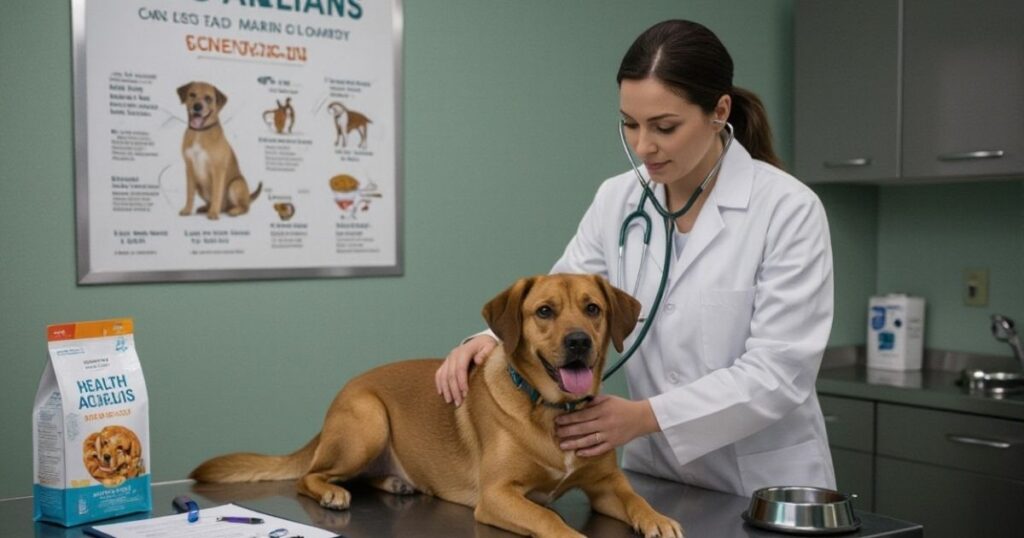
Diagnosis starts with history and physical exam.
Then testing may include:
Fecal examination
Checks for parasite eggs.
Fecal PCR
Detects specific pathogens like Giardia.
Complete Blood Count
Evaluates infection and anemia.
Biochemistry profile
Assesses organ function.
Parvo test
Used in young dogs with severe signs.
Abdominal ultrasound
Visualizes organs and intestinal thickening.
Abdominal X-ray
Detects obstruction or foreign material.
These tools allow vets to pinpoint dog diarrhea causes instead of guessing.
Treatment and Recovery: How to Help Your Dog Feel Better Fast
Treatment depends on the cause.
For mild cases:
Short fasting period under veterinary guidance
Bland diet for dogs such as boiled chicken and rice for dogs
Probiotics like FortiFlora
Hydration is critical. Offer fresh water frequently.
Medications may include:
- Metronidazole for bacterial imbalance
- Cerenia for nausea
- Panacur or Drontal for parasites
Severe cases may require IV fluids and hospitalization.
Home treatment for dog diarrhea works only if your dog remains bright, hydrated, and stable.
If symptoms escalate, step back and seek help.
FAQ’s
How long does dog diarrhea last before I should worry?
If it continues beyond 48 hours or your dog acts ill, contact your vet.
Can I feed boiled chicken and rice for dogs with diarrhea?
Yes, as part of a bland diet for dogs. Introduce small portions and monitor response.
Is bloody stool in dogs always serious?
It can signal colitis or something more severe. Always consult a veterinarian.
What are common dog dehydration symptoms?
Dry gums, sunken eyes, weakness, and reduced skin elasticity.
Can parasites causing diarrhea in dogs infect humans?
Yes, some like Giardia and roundworms can spread, especially to children.

Caleb Ford is pet enthusiast and content strategist who blends real-world pet care experience with digital expertise. He’s known for crafting reliable, research-based articles that inform and inspire pet owners. Caleb’s approach centers on transparency, compassion, and trust key pillars of authentic EEAT-driven storytelling in the pet industry.